For your orientation, start by checking your company’s dress code, then dress slightly more formal than you think you need to. If there’s no guidance, wear a well-fitted suit in navy, charcoal, or black with a crisp white shirt and conservative tie. Keep accessories minimal: polished shoes, coordinated socks, and perhaps a delicate necklace. Press everything beforehand so you appear neat and put-together. If possible, observe what colleagues wear beforehand to calibrate your appearance appropriately. Several additional factors merit attention when preparing those final details.
Check Your Company’s Dress Code First
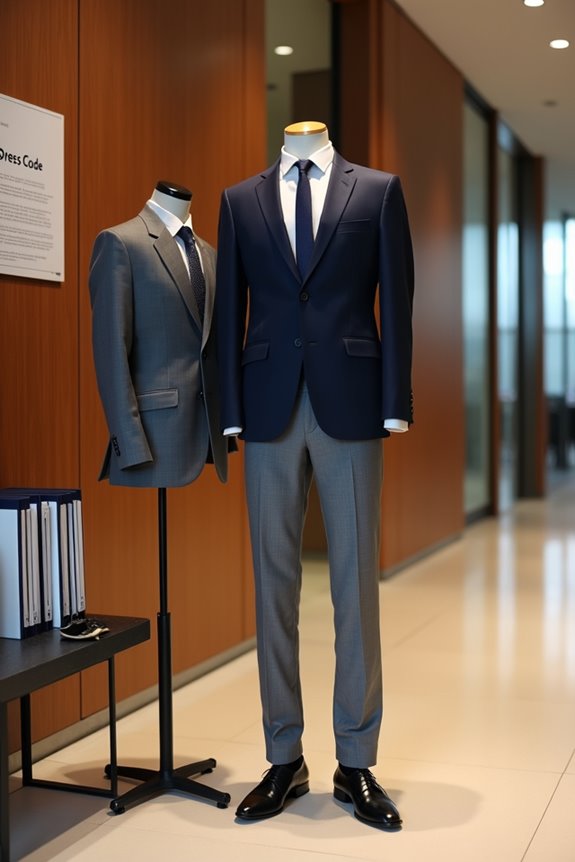
The first thing you’ll want to do before your orientation day is check what your company expects you to wear. I’d recommend asking HR directly or reviewing any documents they’ve sent you, because dress codes vary widely between workplaces. Some companies embrace business casual while others prefer suits, and you don’t want to show up underdressed or overdressed on your first day.
If the guidelines seem fuzzy, lean toward something more formal. This approach demonstrates professionalism and respect for the organization. Observing the workplace environment beforehand, if possible, really helps you calibrate your outfit accurately. When you align your appearance with the dress code, you’re telling your new employer that you care about fitting in with their culture. That’s an investment in your first impression worth making.
Match Your Formality Level to Your Department’s Culture

Once you’ve figured out your company’s overall dress code, you’ll want to focus on what your specific department actually wears day-to-day. Observing your colleagues’ attire provides valuable insight into department culture. Notice whether people wear blazers or stick to business casual. Pay attention to colors; some departments favor neutrals while others embrace patterns. Check if jeans show up, though they’re generally avoided in professional settings.
Your first impression matters, so when in doubt, dress slightly more formal than you think necessary. A blazer with trousers works well for most situations. After your half-day orientation, you’ll spot the dress code patterns clearly. Then you can adjust your approach to match what you’ve actually seen. This approach helps you fit in naturally without looking overdressed or out of place.
Wear a Suit if No Dress Code Is Specified
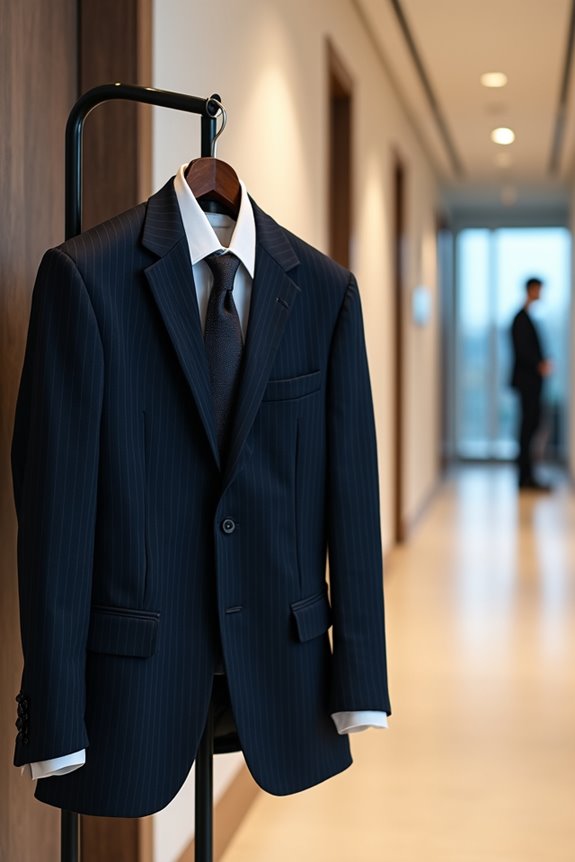
When you’re unsure about what to wear, playing it safe with a suit is your best bet for making a solid first impression. You’ll want to think about which type suits your situation. A classic two-piece jacket and trousers works well for most jobs, while a three-piece with a vest signals extra formality for high-status environments. Then nail down the practical elements: color, fit, and the finishing touches that pull everything together. Let me walk you through how to get each of these elements right.
Suit Types and Formality
Why take chances with your first impression? I’d recommend going with a two-piece suit, jacket and trousers, because it shows you’re serious about the job. If you want to increase formality further, a three-piece suit with a vest makes a clear statement, especially if you’re joining a higher-status department.
The key thing here is fit. I can’t stress this enough: sleeves should hit your wrist, and trouser hems shouldn’t bunch at your shoes. A well-fitting suit instantly makes you look put-together, while a baggy one does the opposite.
Pair your suit with a coordinating shirt and necktie to complete the professional look. You’re basically telling your new employer, “I respect this opportunity,” without saying a word.
Color and Fit Essentials
So what colors actually work best for a suit during orientation? I’d go with black, navy, or charcoal because these conservative choices align with typical workplace norms. They’re safe bets that show professionalism without trying too hard. Now, fit matters just as much as color. Your suit jacket sleeves should end right at your wrist bone, and your trousers need a slight break at the shoe. Wrinkled fabric kills the whole look, so I always iron mine beforehand. When there’s no dress code provided, a well-fitted suit conveys formality and professionalism. Pair it with a clean, ironed shirt and a complementary tie for a cohesive appearance. Getting these basics right means you’ll walk in feeling confident and looking the part.
Completing the Professional Look
If you’re heading into an orientation without a dress code spelled out, here’s my move: I wear a suit.
When I’m unsure about professional attire expectations, a well-fitted suit signals that I take the opportunity seriously. Here’s what I pair together:
- A two-piece suit in navy, black, or gray
- A light dress shirt that’s crisp and clean
- A conservative tie that complements my suit
- Polished dress shoes in black or dark brown
I make sure my jacket sleeves end at my wrist and my trousers break neatly over my shoes. This interview-ready look shows I’m reliable without overdressing for a half-day event. I keep jewelry minimal and skip bold fragrances. When the dress code isn’t clear, I’d rather play it safe with classic professional attire than second-guess myself later.
Choose Conservative Colors for Professional First Impressions
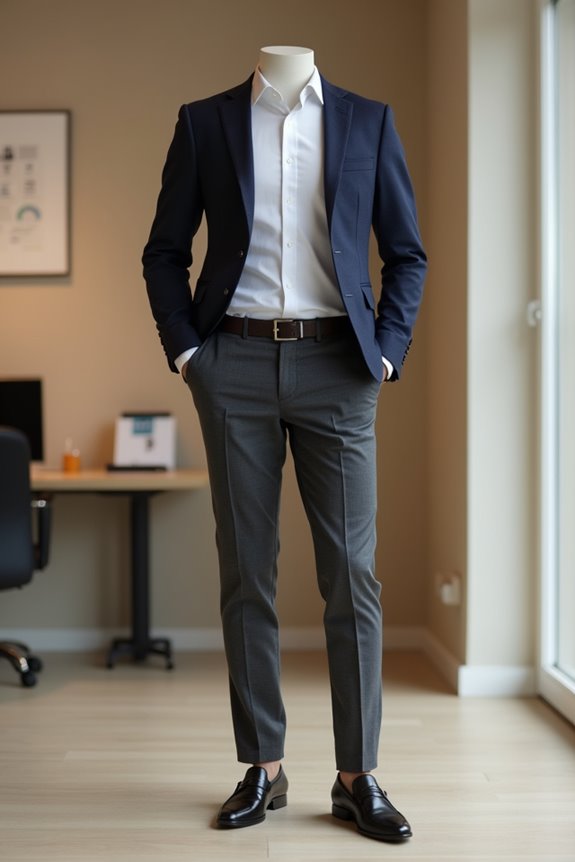
I’d recommend sticking with neutral colors like black, navy, gray, and white because they’re proven to build credibility and keep the focus on you rather than your outfit. Bright or neon hues can distract from what you’re actually saying, so save those for after you’ve settled in and know the office vibe better. Classic colors project professionalism without requiring you to second-guess whether your outfit works, which removes unnecessary pressure on your first day.
Neutral Tones Build Credibility
Black blazers paired with gray pants project quiet confidence. White button-ups signal reliability and trustworthiness. Navy dresses convey competence and stability. Gray sweaters feel approachable yet professional.
These colors help you blend with colleagues rather than standing out for the wrong reasons. Your supervisor notices your work ethic, not your outfit. Neutral tones also pair easily with simple accessories, so you’ll look put-together without overwhelming your first impression. When you’re uncertain about dress codes, neutral colors are the dependable choice.
Avoid Bright, Distracting Hues
Why do neon greens and electric blues feel wrong for your first day? Bright, flashy hues actually work against you during orientation. They pull attention away from what matters: your skills and personality. Instead, choose conservative attire in black, navy, gray, and white. These colors create a distraction-free wardrobe that lets people focus on you, not your outfit.
| Color | Why It Works | Why to Skip |
|---|---|---|
| Navy | Professional, trustworthy | Neon green; too bold |
| Charcoal | Sophisticated, calm | Electric blue; overwhelming |
| White | Clean, polished | Loud prints; chaotic |
When you wear muted tones, you’re communicating to your new team that you take fitting in seriously. Small choices like a navy suit with a white shirt signal reliability. You’ll feel more confident, and that confidence will show to others around you.
Classic Colors Project Professionalism
When you’re getting dressed for your first day, reaching for a charcoal gray suit with a crisp white shirt is one of the safest moves you can make. These conservative colors work because they let people focus on you, not your outfit. Consider these options:
- Navy blazers paired with white or light blue shirts
- Black pants or skirts with neutral blouses
- Gray dresses with minimal patterns or solid accessories
- Dark ties or scarves in muted tones
Your professional appearance sets the tone for how colleagues perceive you. Stick with these restrained colors, and you’ll project reliability without appearing to overexert effort. Coordinate your shoes and belt in matching tones; this cohesive look matters. You’re not just fitting in. You’re demonstrating that you take the opportunity seriously.
Pick a Tie That Complements Your Suit and Shirt
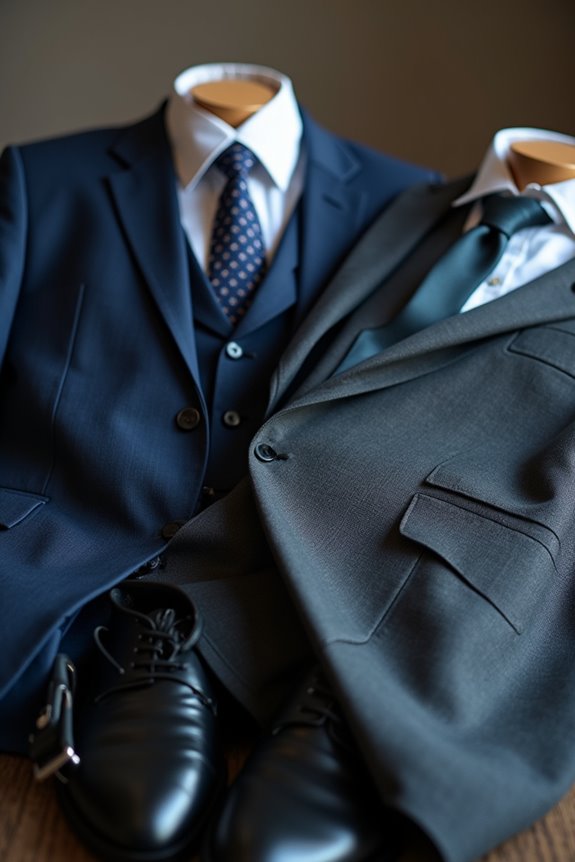
The tie is where you can pull your whole look together, so it’s worth thinking through carefully. Tie coordination makes or breaks outfit cohesiveness. If you’re wearing a black suit with a white shirt, a black tie creates that classic, respected appearance. For a charcoal gray suit, grab a navy or burgundy tie instead; it adds just enough contrast without clashing. When your shirt is white, you have flexibility with solid colors and even small patterns like dots or stripes.
Here’s what to check: match your tie width to your suit lapels. Slim lapels need slim ties; broader lapels need wider ones. Make sure your tie hits your beltline and tie it with a crisp knot. You’ll feel the difference immediately.
Match Your Socks and Shoes to Your Suit
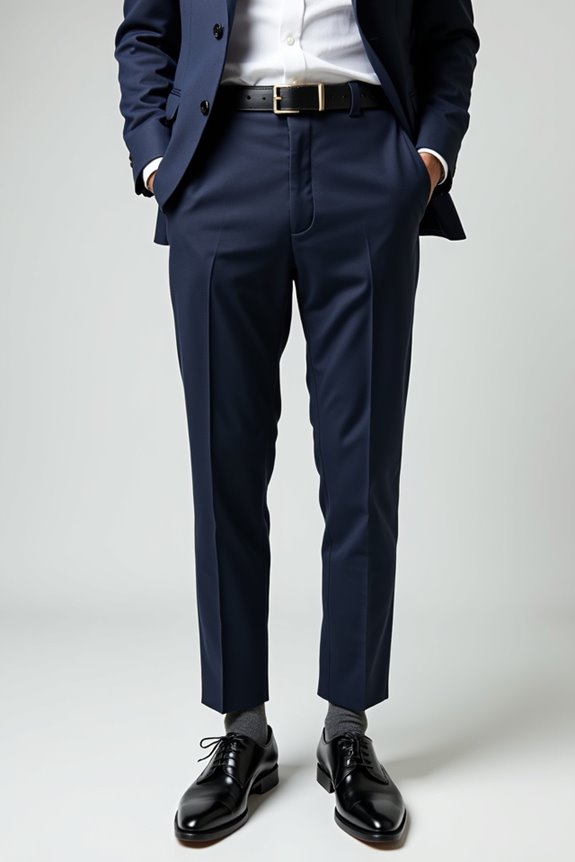
Your socks and shoes deserve just as much attention as your tie, since they’re the final pieces that either pull your look together or create an awkward disconnect. Matching your hosiery to your suit builds professionalism from the ground up.
Focus on these fundamentals:
- Choose socks matching your suit’s color in dark tones like gray or navy
- Pick opaque, medium-thickness socks that look polished when you’re seated
- Select solid black or near-black socks if you’re wearing a black suit
- Avoid novelty prints and white athletic socks that undermine your professional image
Your shoes should coordinate similarly with neutral, conservative styling. When everything flows together smoothly, you demonstrate to your new employer that you care about the details. That’s the impression that sticks with people.
Polish Your Shoes and Iron Everything
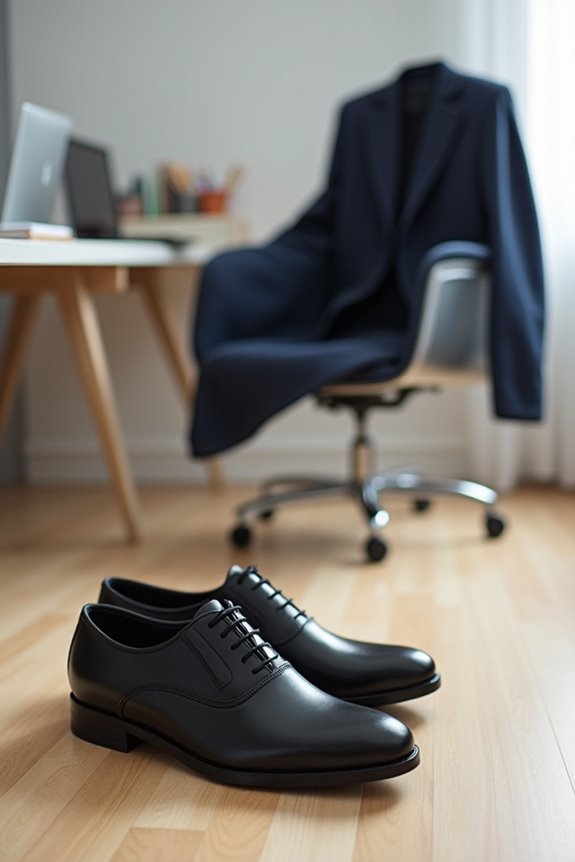
Polished shoes and wrinkle-free clothing show you care about making a solid first impression. Even the best outfit falls flat when it’s wrinkled or scuffed up. These details matter because they signal preparation and attention to how you present yourself.
| Item | What to Do |
|---|---|
| Shoes | Polish them until they shine; remove any scuffs |
| Shirts & Blouses | Iron on medium heat; press collars flat |
| Trousers & Skirts | Create sharp creases; iron seams evenly |
Before orientation, iron all your garments thoroughly. Pay attention to sleeve creases and trouser lines, as they signal you’re detail-oriented. When you travel, pack a garment bag and touch up wrinkles upon arrival. These small efforts communicate that you’re prepared and take the role seriously. You’re showing your new team you belong there.
Ensure Your Suit Fits Properly
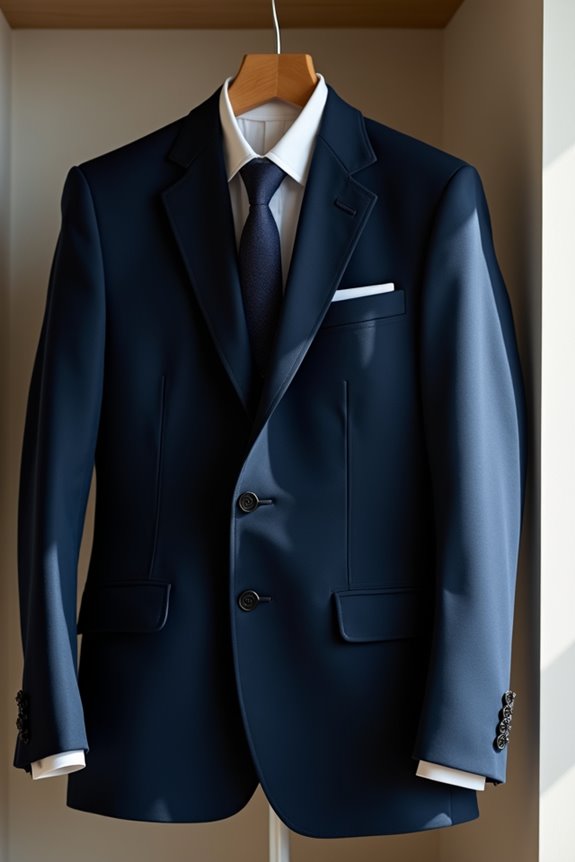
How does a suit actually fit? Getting your fit right shows you’ve put thought into your appearance, and that matters on day one. I’ve learned that tailoring is what separates adequate from polished, so here’s what I check:
- Shoulders sit snugly without bunching or pulling
- Chest closes comfortably without straining across buttons
- Sleeves end at your wrist bone with half an inch of shirt cuff showing
- Trousers or skirt hem sits cleanly at the top of your dress shoe
Before orientation, visit a tailor to address any wrinkles, loose seams, or uneven hems. Your professional attire deserves this attention. When everything fits properly, you walk in feeling confident, and that confidence is something your new team will notice right away.
Keep Fragrance Minimal or Skip It Entirely

When it comes to making a good impression on your first day, what you don’t wear matters just as much as what you do. Here’s the thing about fragrance: skip it or keep it minimal. Strong cologne or perfume in an enclosed office creates a situation where people remember you for the wrong reasons. I appreciate a fresh scent, but professional attire means letting your work speak louder than your fragrance does. If you absolutely must wear something, apply just a tiny amount; so faint that only someone standing very close would notice. Unscented or neutral options are your safest bet. Your clean appearance and genuine personality will make the real impression anyway.
Start With Clean, Wrinkle-Free Clothes
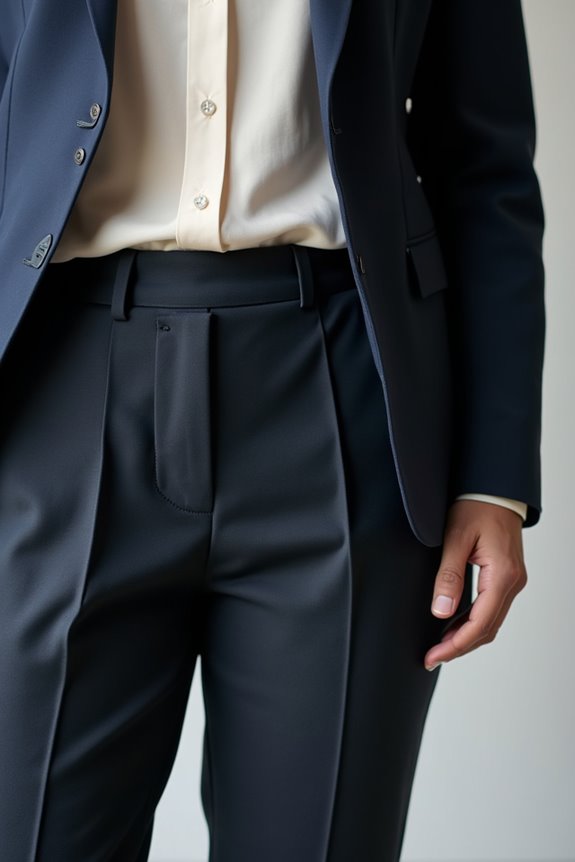
Inspect your outfit the night before to check for wrinkles, stains, or lint that could hurt your first impression. Press your suit, shirt, and trousers so they look crisp. A few minutes with an iron is worth the effort compared to showing up in something you grabbed from the back of your closet. Use a lint roller on darker fabrics to remove any dirt or dust and keep everything looking neat and put-together.
Inspect Garments Before Wearing
Why do you think people notice wrinkles and stains before they notice anything else about you? Cleanliness and presentation matter more than most realize. Before your orientation, inspect every garment carefully.
What to check:
- Loose buttons on shirts and jackets that might fall off
- Pulled seams or threads along shoulders and cuffs
- Coffee stains, ink marks, or dirt on trousers and sleeves
- Uneven hems that look sloppy or unprofessional
Polish your shoes, ensure your belt matches your outfit, and verify all zippers work smoothly. A wrinkle-free appearance shows you care about fitting in. Taking time for this inspection builds confidence when you walk through that door. You’ll feel ready because you know you look sharp, and that matters.
Pressing and Ironing Essentials
How crisp does your shirt actually look right now? I’d recommend pressing your entire professional attire before orientation day. Start by laundering or dry-cleaning your suit jacket, trousers, and shirt to remove any buildup. Then, iron everything carefully, paying special attention to tricky areas like collars, cuffs, and sleeves. Those spots show up in photos.
Different fabrics need different heat settings. Cotton handles higher temperatures, while polyester needs gentler treatment to avoid shine. A steamer works well for quick fixes when time is tight.
If you’re short on time, prioritize your shirt and jacket first since people notice those most. A handheld steamer produces faster results than a traditional iron. Pressing your professional attire takes about thirty minutes total, but it demonstrates that you care about making a strong first impression.
Stain Removal and Prevention
Once you’ve got everything pressed and looking sharp, make sure your clothes are actually clean before orientation day. Preventing embarrassing stains protects your first impression. Here’s my approach to stain removal and wrinkle prevention:
- Pre-treat coffee and ink stains with mild detergent, then air-dry completely
- Apply stain remover to grease spots on dress pants or blazers before washing
- Inspect your professional attire in bright lighting after drying
- Choose a different outfit if stains remain visible
For delicate fabrics like silk blouses, use a garment steamer to avoid scorch marks. Starting your new job with clean, polished clothes demonstrates that you care about being part of the team.
Avoid Jeans: Opt for Tailored Trousers or a Pencil Skirt Instead
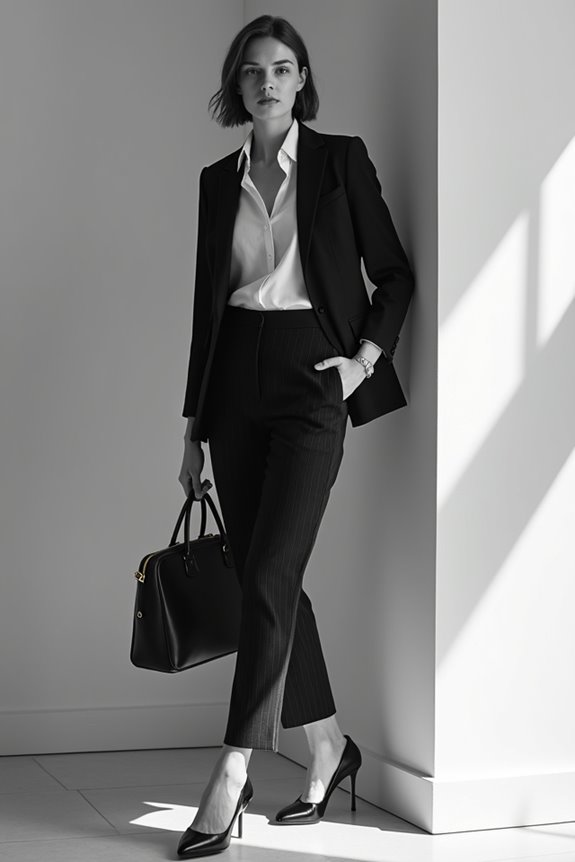
When you’re getting ready for your first day, here’s what I’d skip: jeans.
I know jeans feel comfortable and casual, but they won’t give you the polish that orientation calls for. Instead, reach for tailored trousers or a pencil skirt. Both work well for professional attire without feeling stiff.
Tailored trousers offer a structured look that signals you’re serious about the job. A pencil skirt pairs nicely with blouses and can be dressed up with a blazer if needed. Stick with neutral colors like black, gray, or navy so you blend in while looking put-together.
The fit matters most. You want clothes that sit right without pulling or bunching. When you’re unsure about dress code, these options strike the right balance between professional and comfortable.
Use Accessories to Express Your Personal Style Subtly
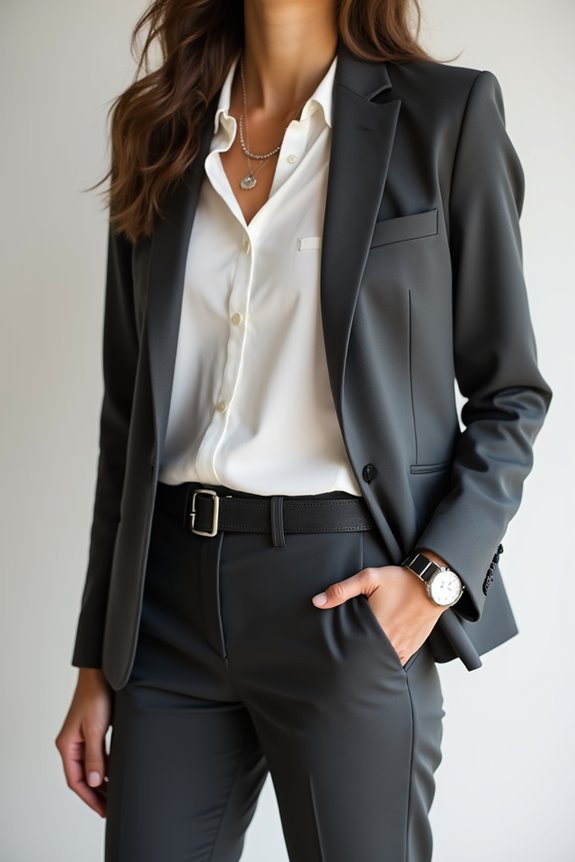
Accessories are your chance to show a bit of who you are without overdoing it. You want your professional appearance to shine, so I’d keep things simple and intentional. Here’s how I’d approach it:
- Add a delicate silver necklace or small stud earrings for subtle elegance
- Wear a coordinated scarf or belt that matches your outfit’s color palette
- Choose one standout piece maximum, like a structured handbag in a neutral tone
- Match metal finishes (gold or silver) across your jewelry and belt buckles
These touches let your subtle style come through without distracting anyone. When your accessories complement your suit or blouse, you’re saying, “I belong here and I care about how I present myself.” That’s the vibe you’re going for on day one.
Observe What Colleagues Wear and Adjust for Day One

How do you know what’s really expected on your first day? I watch what others wear. On day one, I observe colleagues’ attire to identify the actual dress code level: whether it’s business formal, business casual, or smart casual. I notice if people wear suits and blazers or just dress shirts with slacks. I check their shoe choices and whether accessories are minimal or more noticeable.
I pay attention to the color palette too. If most staff members wear black, navy, and gray while avoiding flashy patterns, I choose similarly conservative colors to blend in naturally. This first half-day acts like a live audit for me. I avoid jeans or overly casual pieces unless I spot a clear casual norm among colleagues and supervisors. Adjusting based on what I actually observe helps me feel confident and appropriately dressed.