
For your first BJJ class, don’t stress about gear. Grab athletic shorts and a fitted shirt since ARMA loans you a free gi on-site. You’ll train barefoot, so leave your shoes in the lobby. Bring a water bottle and flip-flops for walking between the changing area and mats. Avoid jewelry and loose clothing that could catch during rolls. Show up 10 to 15 minutes early for sizing help. If you’re sticking around, there’s plenty more to know about fit and what works best for your training style.
Your First BJJ Class: What to Wear (Keep It Simple)
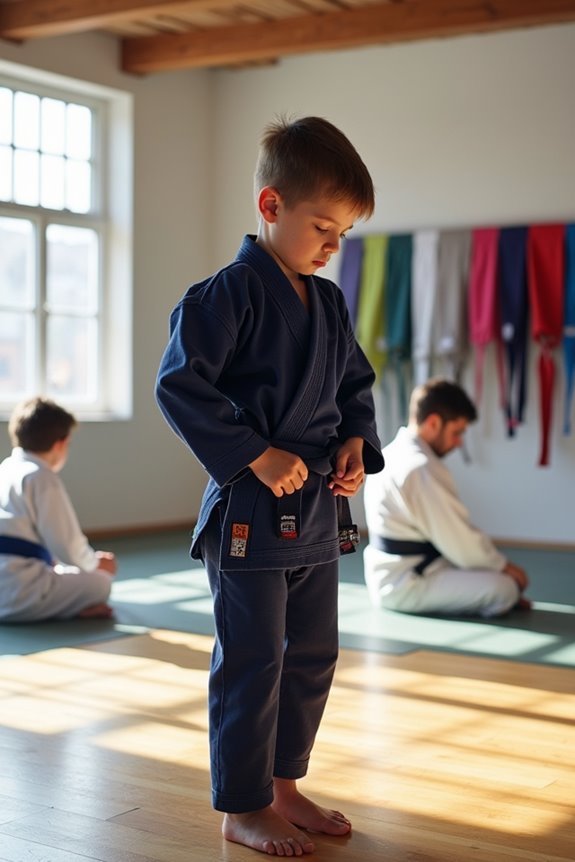
So what’re you supposed to wear to your first BJJ class? Honestly, you don’t need much. A complimentary gi waits for you on-site, so don’t stress about buying gear before you’re sure about training. If you’d rather wear your own clothes, athletic shorts and a fitted shirt work fine. I’d recommend grabbing a rash guard though, since it protects your skin during rolls and feels more intentional than a regular shirt. You’ll train barefoot, so leave your shoes in the lobby. When you arrive 10–15 minutes early, the coach provides sizing guidance for the loaner gi and answers any questions. Keep it simple your first time. You’re just showing up to learn, and that matters most.
Choosing Between Gi and No-Gi Training
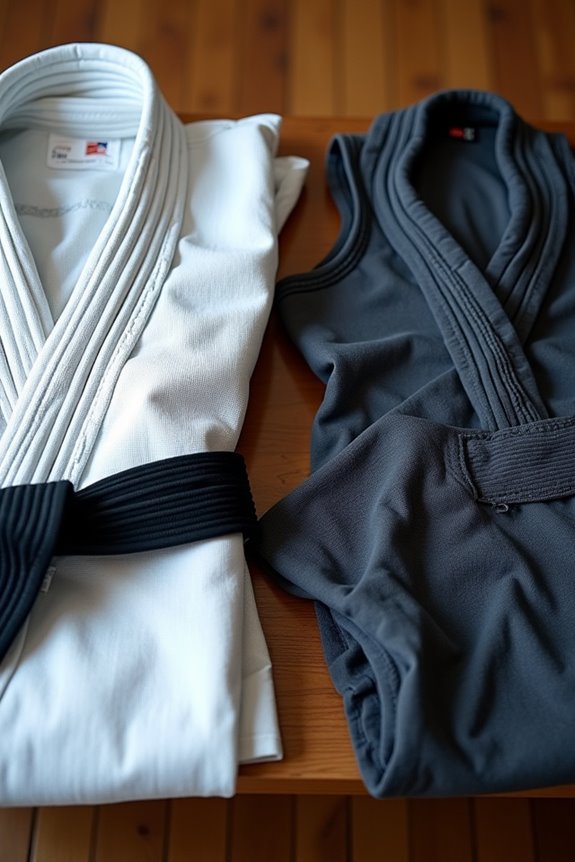
Before you decide what to wear, check your academy’s schedule. Some gyms focus on Gi training with a uniform and belt, while others emphasize No-Gi with rash guards and shorts instead. If you’re starting out, confirm which style your academy offers most frequently. This will help you determine whether you need to invest in a Gi or purchase No-Gi gear first. Once you know what your gym teaches, the clothing choice becomes straightforward because each style has its own simple requirements that will keep you comfortable and safe on the mat.
Gi Training Fundamentals
When you’re starting BJJ, one of your first decisions is whether you’ll train in a gi or go the no-gi route. It’s worth understanding what each option actually means before you show up on day one.
Gi training basics involve wearing a traditional uniform that creates a real sense of belonging in the BJJ community. Here’s what makes each path different:
- Gi training involves wearing a white or blue uniform that signals you’re part of an established tradition
- No-gi training uses rash guards and shorts for a lighter, more athletic feel
- Borrowed gear lets you start without spending money upfront
- Community connection develops faster when you dress like your training partners
- Confidence building comes from wearing what matches your gym’s culture
Check your academy’s schedule since some facilities rotate between styles. You’ll find your preferred approach once you experience both options.
No-Gi Clothing Requirements
Now that you’ve got a sense of gi training’s traditional structure, let’s look at what no-gi training actually requires you to wear. No-gi means ditching the heavy gi for athletic clothing that lets you move freely. You’ll want a fitted rash guard on top and compression shorts or spats on the bottom. These pieces provide full range of motion without restricting your movements.
Here’s what matters: avoid anything with pockets, zippers, or loose fabric. These features create grab points your training partners can exploit, which defeats the purpose of no-gi training. Stick with tight-fitting options that won’t slip around during rolls.
If you’re starting out and watching your budget, consider checking out Kore Gi’s rash guard options. They’re affordable and reliable. Most brands offer inclusive sizing too, so you’ll find something that fits your body well.
Confirming Your Academy’s Schedule
How do you know which style your academy actually teaches? First, reach out directly to confirm whether your gym focuses on Gi or No-Gi training. You’ll want to understand their schedule and any style-specific class times before your first day. Check the following:
- Ask if they offer both styles or specialize in one
- Request their weekly schedule with Gi and No-Gi class times listed
- Find out if transitions between styles happen during the week
- Clarify whether on-site Gis are available to borrow
- Learn their dress code expectations for each training type
Schedule confirmation matters because showing up in the wrong attire creates unnecessary stress. A quick text or call to your coach prevents awkward moments. You’ll feel more confident joining a community when you’re properly prepared and dressed appropriately.
What to Wear in Your Gi
When you’re wearing your gi, focus on how it fits your body. A loose, bunching gi will get in your way during drills and rolling. Check that the jacket sleeves end near your wrist, the pants fit snug around your waist without extra fabric, and you can move your arms freely without feeling restricted. You’ll also need a white belt to complete the look.
Prioritize how the gi feels when you’re moving around over appearance. Comfort matters more than looking flashy.
Essential Gi Components
Since you’re just starting out, your gi, the uniform you’ll wear to class, is basically your BJJ outfit made up of a few simple pieces that work together.
Components:
- Jacket: The heavy-duty top that protects you during grappling
- Pants: Reinforced fabric designed to handle the wear and tear of training
- Belt: Comes included and signals your rank as you progress
- Durable construction: Reinforced at the knees, collar, and lapel to prevent tearing
- Proper fit: Allows easy movement without bunching, keeping you comfortable
When you’re picking your first gi, focus on comfort and freedom of movement rather than appearance. A white or blue gi in the right size matters far more than anything trendy. Try on-site options before buying so you know exactly how it feels on your body.
Fit And Comfort Standards
Getting the right fit for your gi makes a real difference in how comfortable you’ll feel during class. You want something fitted enough that it moves with you, but not so tight that you’re restricted. Too loose actually works against you; your opponent gets extra fabric to grab.
Look for reinforced knees, collar, and lapel since those areas take real wear. Wear compression shorts and a rash guard underneath. The rash guard reduces friction against your skin during longer sessions and keeps things more hygienic for everyone. Your belt should tie securely around your waist without sliding.
White or blue gis work well for beginners. If sizing feels confusing, most academies let you try on options before committing to anything.
What to Wear Under Your Gi
What you wear underneath your gi matters more than you’d think. The right layers make training comfortable and help you focus on improving your technique instead of adjusting your clothes.
A rash guard is your best choice. Here’s why I recommend it:
- Reduces friction between your skin and gi fabric
- Wicks moisture away from your body
- Dries quickly after class
- Fits snug so opponents can’t grab loose fabric
- Keeps you feeling confident and part of the team
If you don’t have a rash guard yet, a fitted athletic top works fine. Just avoid heavy cotton or baggy shirts that will bunch up during rolls. Women should wear a supportive sports bra underneath for proper support. These compression underlayers do make a difference in how you train.
What to Wear for No-Gi Training
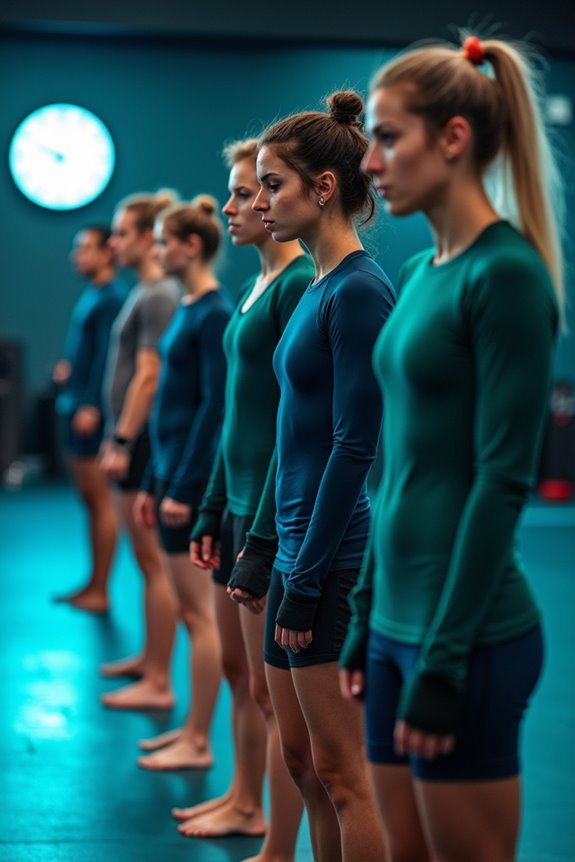
No-Gi training strips away the gi, which means your clothing choices become even more important since there’s nothing else between you and your training partner. I recommend wearing a rash guard because it’s tight-fitting and reduces friction during rolls. Pair it with shorts or spats that don’t have pockets or zippers, which could catch on your partner’s gi or skin.
Look for moisture-wicking materials that keep you dry and comfortable. You’ll find rash guards in long or short sleeves depending on your preference. Brands like Kore offer budget-friendly starter options that focus on snug fit and mobility without breaking the bank.
When you’re starting out, most academies have you train No-Gi first. You can always buy a gi later if you decide to continue.
What Not to Wear: Jewelry, Shoes, and Safety Hazards
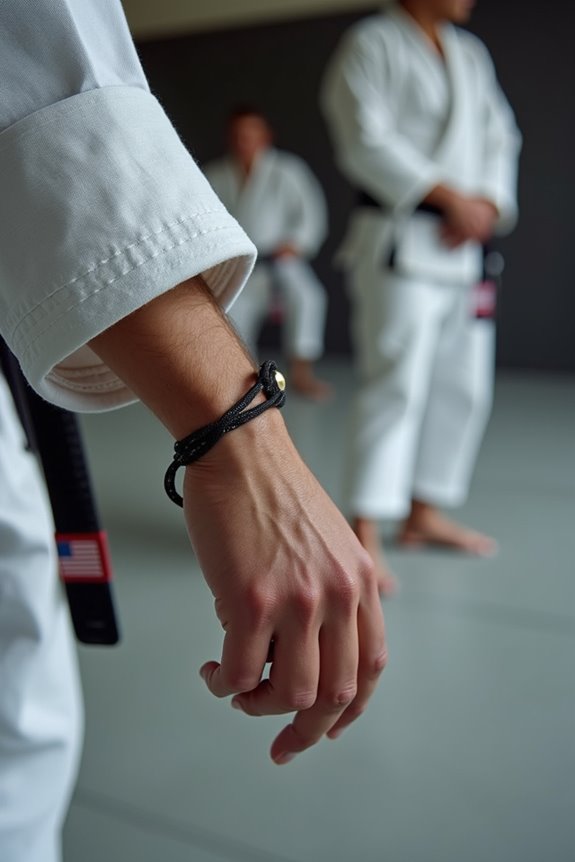
When you’re getting ready for class, leave your jewelry at home. Rings, necklaces, and earrings can catch on the mat or your training partner’s gi, which isn’t fun for anyone involved. Go barefoot on the mats rather than wearing shoes or socks; this gives you better grip and keeps the training area cleaner for everyone. These simple changes protect both you and your partners from unnecessary injuries while you’re learning.
Jewelry and Piercing Hazards
Why do you need to remove your jewelry before stepping on the mat? When you’re rolling with teammates, metal and gems become hazards that create real risks. I’ve seen how quickly a ring catches on a gi or how an earring pulls during a takedown. Here’s what happens when you wear jewelry and piercings to class:
- Your partner’s skin gets scraped or cut accidentally
- Piercings can tear during submissions or positional changes
- Rings snag fabric and damage your gi
- Metal pieces scratch mats that everyone shares
- You risk losing expensive items during intense rolls
Training without these distractions works better for everyone involved. Removing jewelry shows respect for your training partners and creates a safer community. Leave your piercings at home or cover them with tape. Your teammates will appreciate it, and you’ll train with better peace of mind.
Footwear and Mat Safety
Beyond removing jewelry, you’ll want to think about what goes on your feet and what stays off the mats entirely. I train barefoot because shoes damage the mat surface and create safety issues during rolling. Keep your kicks off the mat area, and you’re already ahead of the game.
| What to Wear | What to Avoid |
|---|---|
| Rash guard | Metal-studded shorts |
| Fitted underlayer | Shoes on mat |
| Clean gi | Heavy buckles |
| Bare feet | Cleats or boots |
Your rash guard protects your skin during grips, and clean shorts prevent mat damage. I’ve learned that proper footwear habits protect everyone’s training space. When you respect the mat by staying barefoot, you’re showing respect to your training partners too.
What to Bring to Your First BJJ Class
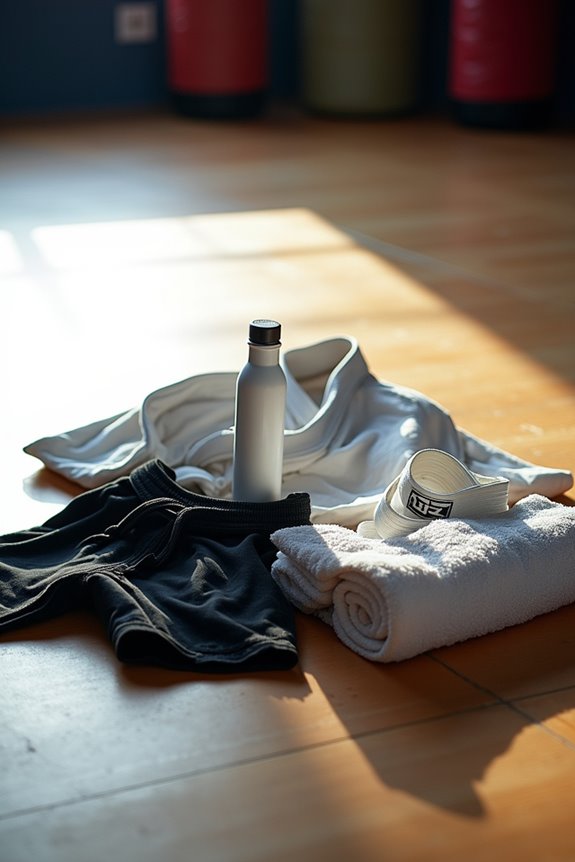
So what should you actually pack for your first class?
You don’t need much. I’d bring these essentials:
- Water bottle – stay hydrated during your first gi experience
- Flip-flops or slides – keep your feet clean between the changing area and mats
- Towel – optional, but honestly helpful for sweat
- Your first gi – borrow one complimentary on-site if you don’t own gear yet
- Curiosity and questions – coaches expect beginners to ask, and that’s welcomed here
Arrive 10–15 minutes early to sign waivers and meet your coach. You’ll get sizing guidance when you’re ready to purchase your own gi. The community here values people who show up prepared but humble. Step onto the mats barefoot, remove your shoes and socks, and listen carefully. That’s it. You’ve got this.
Get Ready: Hygiene Before Class
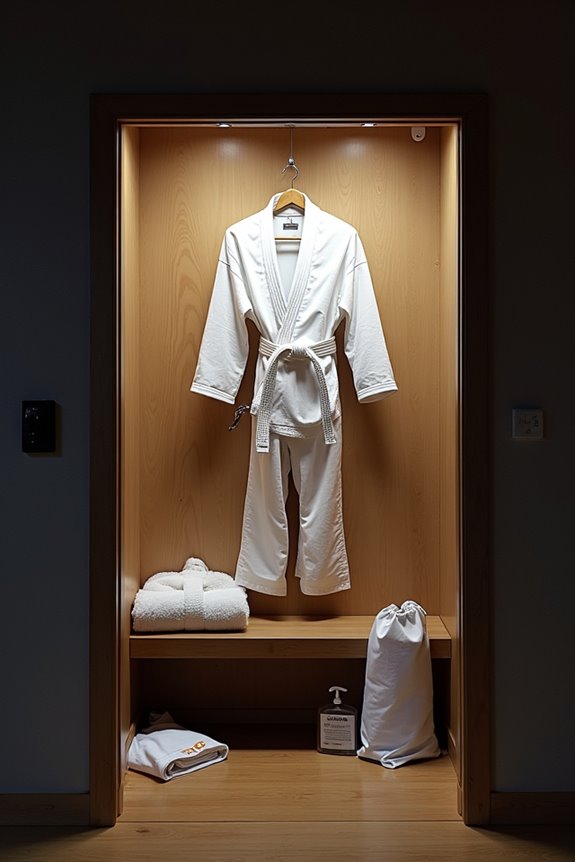
How you show up matters just as much as showing up itself. Before stepping on the mat, I shower and trim my nails so I’m not bringing dirt or bacteria into our shared space. I tie back my hair, brush my teeth, and skip the heavy makeup or strong perfume that might bother my training partners.
When it comes to clothing, I wear clean gear without zips, buttons, or metal parts that could scratch someone during rolling. I avoid gum entirely since it’s disrespectful on the mats. Bringing a clean, dry gi or no-gi apparel shows respect for myself and others. After class, I wash my gear promptly so it’s ready next time. These small habits make training better for everyone, including me.
Caring for Your Gear After Training
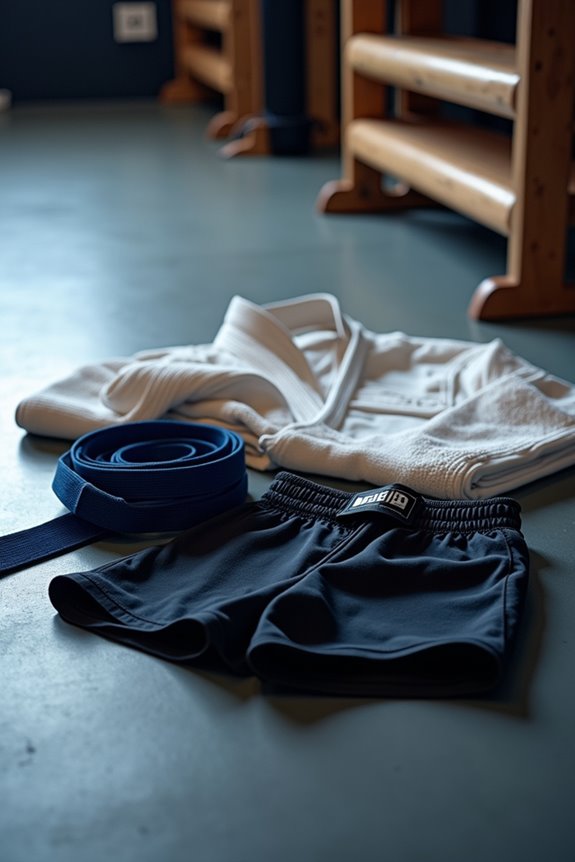
What you do with your gi and no-gi gear after class matters as much as what you wear to it. Proper gear care extends the life of your equipment and keeps you part of the community that takes training seriously.
Here’s what I do to maintain my gear:
- Wash promptly after each session to prevent odor and bacteria buildup
- Air-dry completely to preserve the fabric shape and avoid mildew
- Use a wet kit bag between sessions to manage damp clothing
- Inspect regularly for tears or loose stitching before they worsen
- Rotate equipment when training frequently to let pieces rest
Choosing durable, well-constructed gear makes maintenance easier. When moving between areas, I keep my shoes off the mats and wear flip-flops instead. These simple habits help me stay ready for the next class while respecting our shared space.
No Cost for Your First Class
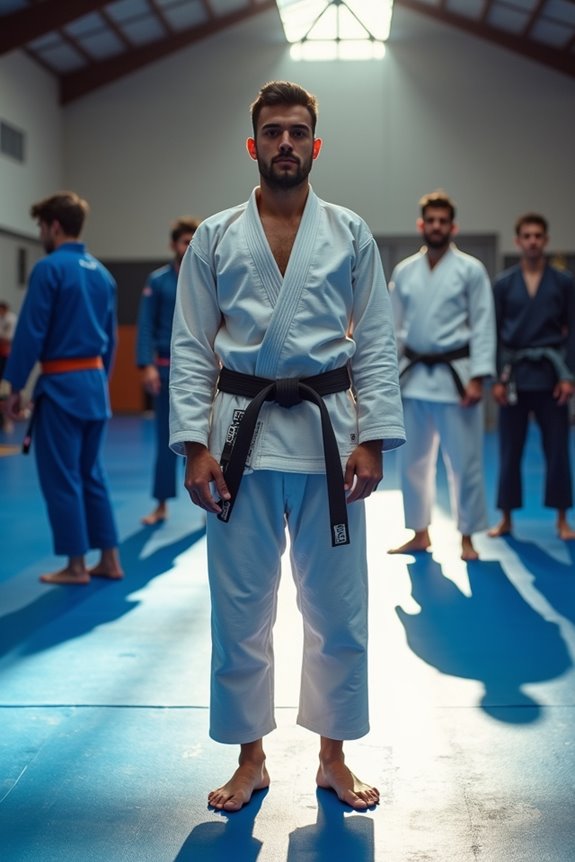
Wondering if you need to buy expensive gear before stepping on the mat for the first time? You don’t. BJJ welcomes newcomers without requiring upfront purchases.
For your first class, you’ll get a no-cost loan gi on-site. No buying required. Just arrive 10-15 minutes early to check in with your coach, who’ll help you get fitted and guide you through everything.
| What to Wear | Details |
|---|---|
| Gi | Free loan available |
| Undergarment | Rash guard (optional) |
| Footwear | Bare feet only |
When you’re ready to invest later, a basic gi costs £50-£100. That conversation comes after you’ve experienced the mat. The academy removes equipment barriers so you can focus on joining the community.
Gi Sizing and Cost: What to Expect
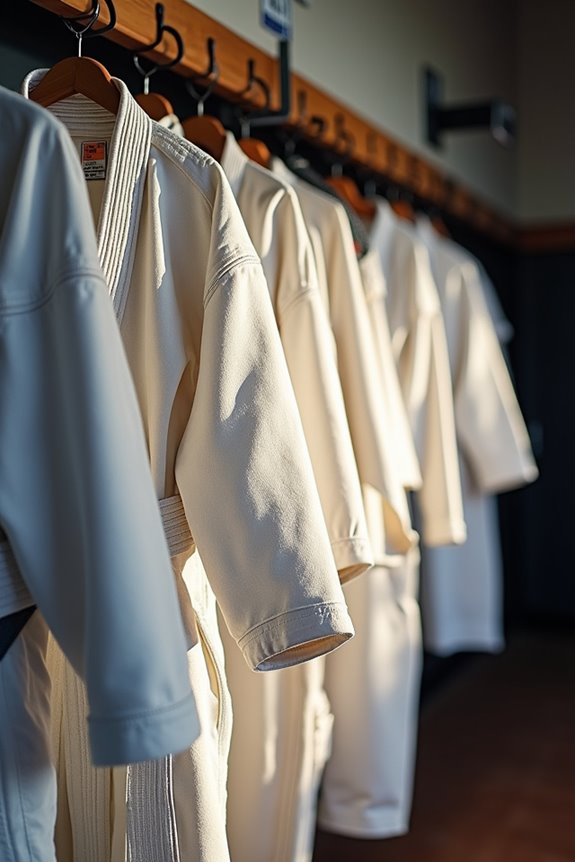
Once you’ve decided BJJ is for you, consider getting your own gi since you’ll want something that fits just right and feels comfortable during training. A decent starter gi costs between £50 and £100 for a lightweight, pre-shrunk cotton one in white or blue. Your instructors can point you toward solid brands and explain what actually matters when you’re shopping. The sizing runs from A0 to A6, so you’ll have plenty of options once you figure out what works for your body.
Finding Your Perfect Fit
How do you know which gi size is actually right for you? Sizing isn’t obvious, which is why trying on gis at ARMA before purchasing makes sense. What matters when finding your fit:
- Your gi shouldn’t bunch up or restrict your movements
- Sleeves should reach your wrist when arms hang at your sides
- Pants legs need to cover your ankles without dragging
- The jacket should feel snug but allow comfortable breathing
- Pre-shrunk cotton means less worry about fit changes
Borrowing a complimentary loan gi for your first trial removes the pressure of immediate commitment. You’ll discover what works for your body without spending money right away. When you’re ready to buy, ARMA’s sizing guidance helps you select a durable gi in your actual size. That approach leads to finding something that feels made for you.
Budget-Friendly Gi Options
Now that you’ve found a gi that fits your body well, let’s talk about what it’ll actually cost you. You don’t need to break the bank here. Budget-friendly gi options like Kore Gi and Kore Rash Guard typically run between $60 and $120, which is reasonable for starting out. I’d suggest borrowing an on-site gi from your academy first. Most gyms have loaner gis available, and they’ll help you figure out sizing before you commit your money. Once you’re ready to invest, you’ll know exactly what size works. Gi sizes range from A0 to A6, so getting guidance prevents costly mistakes. White belts come standard, though check your academy’s policy just to be safe. Start small and invest gradually as you train more.
When to Purchase Your Own
When should you actually buy your own gi instead of borrowing from the academy?
Wait until you’ve trained a few times. Your trial session comes with a complimentary loan gi, so you’re covered. This gives you space to decide if BJJ fits your life before spending money.
Here’s what matters when you’re ready to purchase:
- You’ll know your body’s needs after experiencing actual training
- Sizing guidance from ARMA helps you avoid expensive mistakes
- A quality gi costs £50–£100, which feels manageable once committed
- Your own gi means comfort and confidence on the mat
- You’re investing in something that lasts, not just trying it out
Once you’ve felt the sport in your bones and know you’re staying, get your own gi. That’s when buying makes real sense.
Common Beginner Mistakes to Avoid
Most people show up to their first BJJ class wearing the wrong stuff, and I used to be one of them. I showed up in baggy cotton shirts and wore my favorite ring, thinking I’d be fine. I wasn’t.
Here’s what I learned you should actually avoid:
| Mistake | Why It’s a Problem |
|---|---|
| Wearing loose cotton shirts | They absorb sweat and create friction against your skin |
| Bringing jewelry or metal accessories | They can scratch you or your training partners during rolls |
| Skipping the rash guard under your gi | You’ll experience uncomfortable chafing and sweat buildup |
| Choosing baggy No-Gi shorts | Loose fabric gives opponents something to grab onto |
Invest in a fitted rash guard and borrow the gym’s gi first. Your skin and your training partners will appreciate it.
Women-Specific Considerations for BJJ Attire
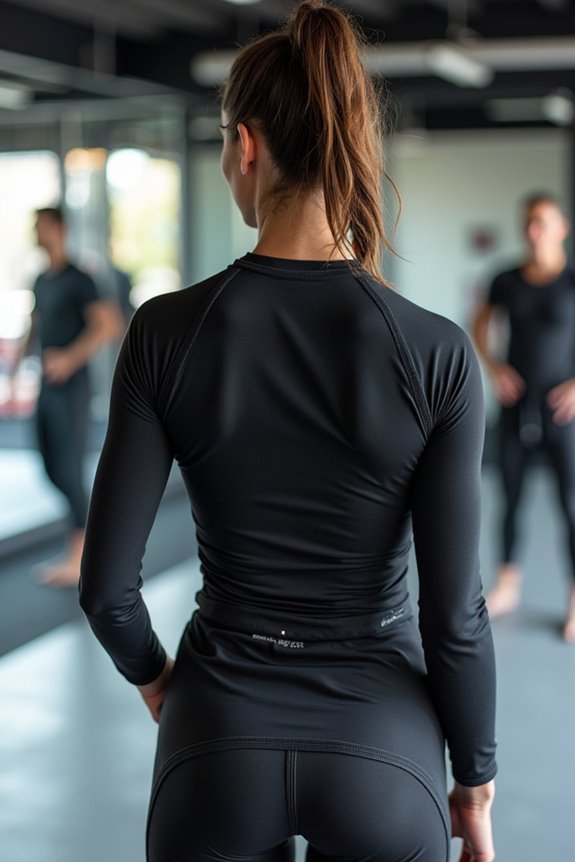
Why does what you wear under your gi matter so much? The right foundation keeps you comfortable, safe, and focused on training. You deserve gear that works with your body, not against it.
What I’ve found helpful:
- A supportive sports bra prevents discomfort during intense rolling
- Fitted rash guards reduce friction and protect your skin
- Snug shorts or spats prevent snagging during no-gi sessions
- Inclusive sizing options mean you’ll find something that fits right
- Proper attire lets you train without worrying about adjustments
Under your gi, wear a supportive sports bra paired with fitted layers. For no-gi training, a rash guard with snug shorts or spats works best. If you don’t have a rash guard yet, any fitted athletic top serves as a temporary option. Avoid heavy cotton and baggy shirts; they’ll get in your way during rolls. Many brands offer plus sizes, so you can find a proper fit without compromise.
Book Your First BJJ Class at ARMA
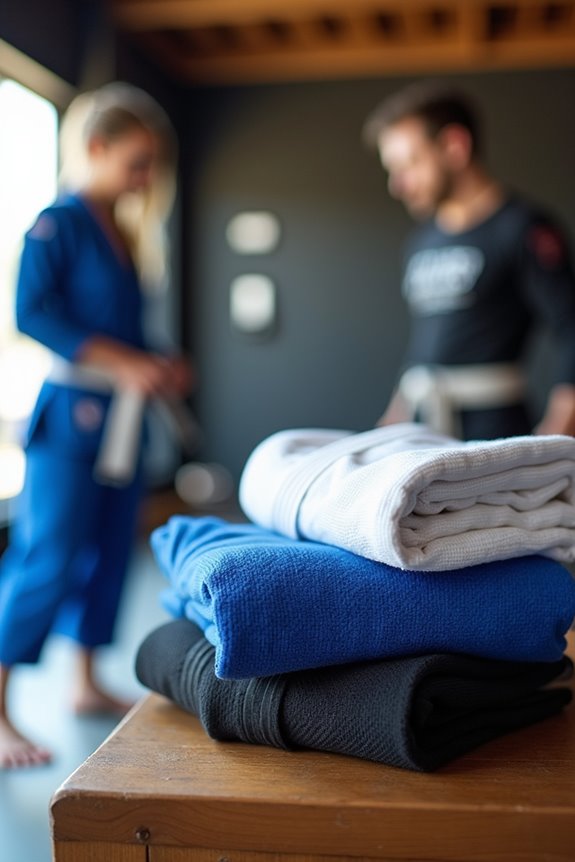
Ready to step onto the mats at ARMA? Your first trial session is straightforward. You’ll receive a welcome message with logistics, so you know exactly what to expect. Arrive 10 to 15 minutes early to check in and meet the coach. ARMA provides a complimentary loan gi for your trial period, which removes the pressure to buy immediately.
| What to Bring | What to Wear | What to Know |
|---|---|---|
| Yourself | Loan gi | Barefoot only |
| Water bottle | Nothing else | Remove shoes and socks |
| Open mind | Comfortable mindset | Introduce yourself |
| Enthusiasm | Readiness | Ask questions freely |
| Your curiosity | Trial confidence | Sizing guidance available |
When you’re ready to purchase your own gi, beginner-friendly options cost £50 to £100, and the team helps with sizing. You’re joining a community that supports your journey from day one.