

Your heart comes first, way before your outfit. Wear something that shows respect, such as clean jeans or a modest dress, that honors both God and your community. Pick clothes that won’t distract people from worship, and remember that your character shines brighter than any accessory ever will. If you’re curious about dressing for your specific church culture or want deeper insight into why these guidelines actually work, there’s more to explore.
Guideline 1: Heart and Gospel Matter More Than Appearance

Your heart matters infinitely more than your outfit. I know we worry about making good impressions when we walk through church doors, but here’s what I’ve learned: what you’re wearing won’t determine whether God meets you there. Jesus actually called out people who dressed perfectly on the outside while their hearts weren’t in the right place. That’s why I focus on showing up with genuine reverence and respect instead of obsessing over my appearance.
The gospel is what draws people closer to Jesus, not your modesty standards or fashion choices. When you prioritize your heart condition, your trust, your love, your desire to worship, everything else falls into place naturally. Your authentic faith speaks louder than any carefully chosen outfit ever could.
The Pharisee Trap: Treating Dress as Righteousness
When we start measuring someone’s faith by whether they’re wearing a blazer or jeans, we’ve wandered into dangerous territory. I’ve noticed how easy it is to pay attention to what others wear and then draw attention to their choices as if clothing reveals their heart. That’s the Pharisee trap, and it misses the whole point.
Jesus didn’t wear something fancy to prove his devotion. He lived with almost nothing, showing us that holiness isn’t about the outfit. When we treat modest dress or particular clothing choices as proof of righteousness, we’re replacing genuine faith with a performance.
The real danger? We start believing our own wardrobe makes us more faithful. It doesn’t. What matters is your heart toward God and others.
True Reverence Lives in Your Heart, Not Your Closet
So, here’s the thing: if we’re honest, most of us have caught ourselves judging someone’s faith by their outfit, and then we’ve done it to ourselves too. But here’s what I’ve learned. Wearing your Sunday best doesn’t guarantee a Sunday heart. Your reverence for God lives in how you treat people, not whether you chose the navy blazer or the gray one.
I respect that modesty matters. It shows consideration for the space and for others. But let’s be real; no outfit transforms your character. What actually counts is the respect, love, and trust you carry inside. That quiet spirit you bring? That’s what people feel. That’s what honors God. Your clothes support your heart’s posture; they don’t replace it.
Guideline 2: Honor Gender Distinction in How You Dress
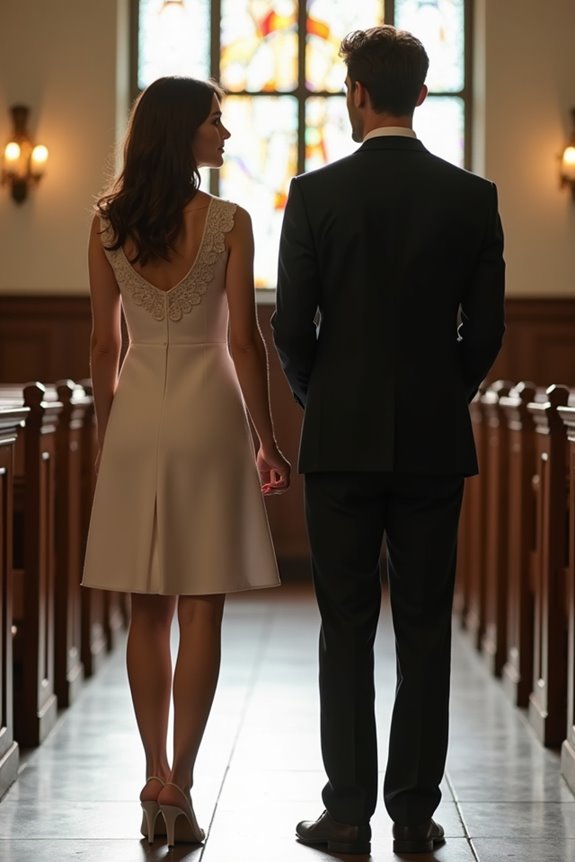
How’d we get here, where dressing like yourself has become complicated? I think we’ve overcomplicated something pretty straightforward. When you show up to church, let your clothes reflect who you are as a man or woman. That’s it.
For guys, this might mean wearing slacks and a button-up shirt, or clean jeans with a nice tee. For women, a dress, skirt, or tailored pants work well. The point isn’t rigid rules. It’s about wearing clothes that honor your gender without confusion.
I’m not talking about policing fashion. I’m saying your outfit should clearly reflect you. When we dress intentionally this way, we’re saying something meaningful about respecting ourselves and our community. That matters when we gather for worship.
Why Gender Distinction Matters in Dress

I believe God made us male and female on purpose, and that shows up in how we dress. The distinctions are not complicated; they involve real, observable choices that reflect who we are. Across cultures and centuries, you’ll notice that men and women have dressed differently through fit, length, or styling, because those distinctions matter to how we present ourselves. When I think about what to wear to church, I’m asking myself: does this outfit show I’m comfortable with my gender identity, or am I blurring lines that God designed to be clear?
God’s Two-Gender Design
Why does it matter what we wear to church? Clothing communicates something important about who we are. God created us male and female, and I believe our dress should reflect that distinction. It’s not about following rigid rules, but rather honoring how God made us.
When you choose clothes that clearly express your gender, you’re showing respect for God’s design. A guy might wear pants and a button-up shirt, while a girl might wear a dress or skirt. These visible choices matter because they communicate something real about yourself.
I’m not saying you need fancy clothes. Simple, modest pieces work well. The point is letting your appearance align with your identity in a way that feels authentic to you.
Observable Behavior And Identity
Now that we’ve looked at God’s design for two genders, let’s talk about what that actually means when you’re getting dressed for church. Your clothing communicates something about who you are. When I choose what to wear, I’m making a statement about my identity and values. If you’re a guy, wearing a button-up shirt or dress pants shows you’re honoring that design. If you’re a woman, a dress or feminine blouse does the same thing. I’m not talking about following strict rules from decades ago. Instead, I mean letting your outfit reflect your gender in ways your community recognizes. Think of it like this: your clothes are a language. They tell people around you something true about yourself before you even speak.
Cultural Expression Remains Constant
gender distinction matters.
| Era | Men’s Expression | Women’s Expression |
|---|---|---|
| 1970s | Suits, ties | Dresses, skirts |
| 2000s | Casual shirts, slacks | Varied pants, modest tops |
| Today | Jeans, blazers | Leggings, cardigans |
I’ve learned that honoring gender distinction doesn’t mean copying our grandparents’ wardrobes. It means your outfit communicates your identity clearly. When you dress distinctly as your gender, you’re affirming how God made you, not rejecting cultural progress. The specific clothes evolve; the principle endures.
How Gender Expression Changes Across Cultures
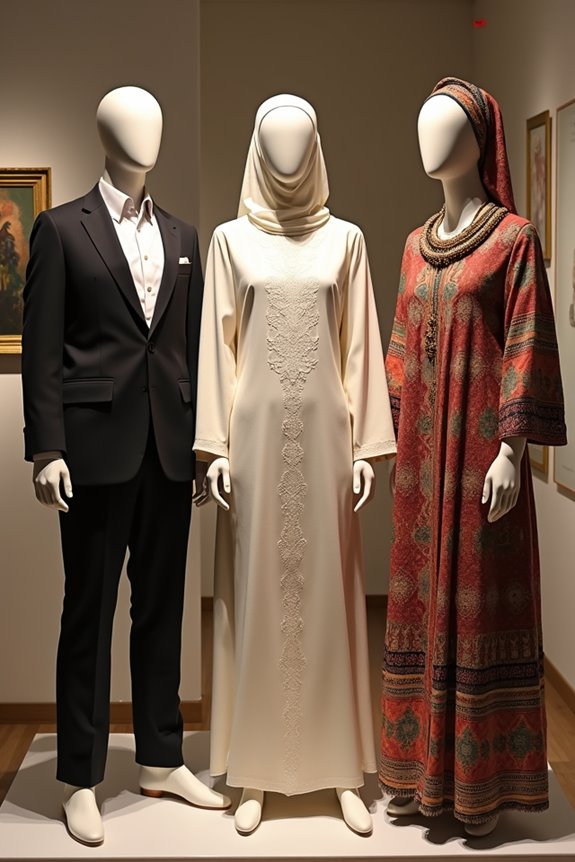
How do we dress appropriately for church when what counts as “appropriate” looks different depending on where we are in the world? I’ve learned that while styles shift across cultures, one thing stays consistent: we’re called to express our gender clearly through what we wear.
In some places, that means skirts and dresses for women, while men wear trousers or suits. In others, it might look different, but the principle remains the same. Here’s what I think matters:
- Notice what men and women wear in your specific church community
- Choose clothing that clearly reflects your gender identity
- Adapt your style to your culture while keeping that distinction visible
Your clothes tell a story about who you are, and that story should be clear.
Guideline 3: Choose Modesty Without Creating Barriers
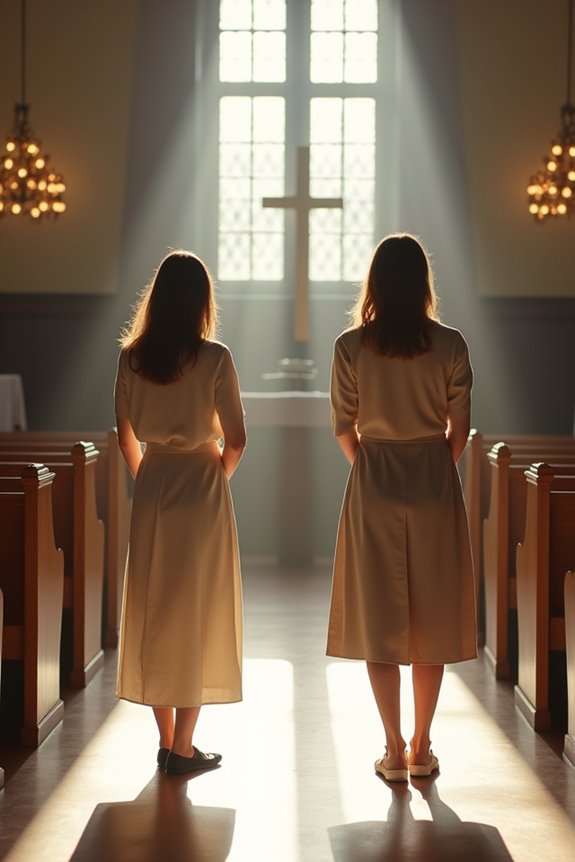
When we’re thinking about what to wear to church, modesty matters, but not in the way you might think. I’ve learned that the real goal isn’t following strict rules about hemlines or sleeves. Instead, it’s about being thoughtful toward the people around you. A modest outfit respects others’ focus during worship, whether that’s wearing a knee-length skirt instead of shorts or choosing a shirt that doesn’t reveal too much.
What I appreciate about this approach is that you’re not sacrificing your personal style. You’re simply making small adjustments that keep everyone comfortable. Consider your specific church community as well. What works in one culture might feel out of place in another. The point isn’t perfection; it’s showing genuine care for your church family while staying true to yourself.
What Modesty Actually Means (And Doesn’t)

I’ve found that modesty isn’t about banning shorts or sleeveless tops, but rather choosing clothes that won’t distract others from worship or tempt them to stumble. You can absolutely rock your personal style, whether that’s a colorful dress, fitted jeans, or a contemporary top, while still being respectful of the church environment and the people around you. The goal is really about finding that sweet spot where you feel confident and comfortable without creating unnecessary barriers between someone else and their faith.
Modesty Beyond Surface Level
Why does modesty in church get so complicated? I think it’s because we often focus on the rules instead of the heart behind them. True modesty isn’t about banning certain clothing items. It’s about considering how your outfit affects the people around you.
Here’s what I mean:
- Your clothes should help people focus on worship, not on you or what you’re wearing
- Cultural context matters; what’s appropriate varies by community and setting
- The goal is making others comfortable, not policing their thoughts
When you choose what to wear, think about your church community. Will that bright red dress distract from the message? Does that muscle shirt make someone uncomfortable? These questions help you dress thoughtfully without rigid rules.
Style Without Causing Stumbling
How do we separate what modesty actually is from all the rules we’ve piled onto it? I think modesty means choosing clothes that keep attention on worship, not on your body. It’s not about hiding yourself or following strict formulas. When I wear a modest outfit, like jeans without rips, a shirt that covers my shoulders, or a knee-length skirt, I’m thinking about the people around me. I’m asking: will this distract someone from focusing on Christ? That’s the real goal. You can have style and comfort while being modest. Wear colors you love, pick fabrics that feel good, and dress in ways that make you feel confident. Just make sure your choices help everyone feel welcome and keep the focus where it belongs.
Honoring Your Style Without Distracting Others

When you’re getting dressed for church, you’re basically making a choice about what message you want to send. I love finding that sweet spot where I feel like myself while keeping the focus on worship, not my outfit.
Here’s how I think about it:
- Choose colors and cuts that feel authentic to you. Wear a blue sweater or neutral pants that make you comfortable, not a costume version of yourself.
- Skip the attention-grabbers. Leave flashy jewelry or logos at home so people listen to the sermon instead of noticing your accessories.
- Dress for the community you’re joining. If everyone wears casual clothes, a formal suit might create distance when you’re trying to belong.
Your style matters. Just keep Jesus the main event.
Jewelry and Appearance: Let Character Outshine Accessories
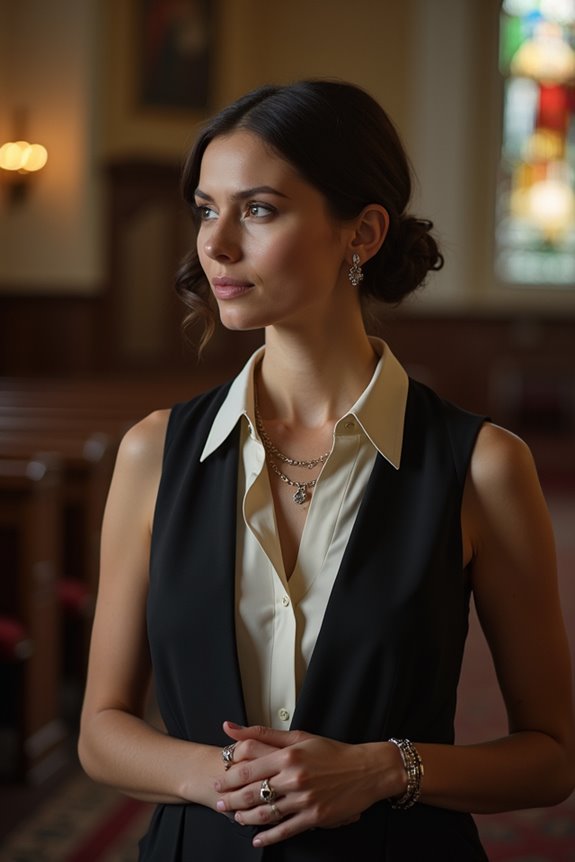
I’ve learned that when I walk into church wearing my favorite gold necklace or statement earrings, what really matters isn’t how they catch the light; it’s whether my kindness and genuine faith shine through even brighter. Your character, the way you listen to others and show up for people, becomes the real accessory that people notice and remember. So I try to keep my jewelry simple and my humility strong, letting who I am on the inside speak louder than what I’m wearing on the outside.
Inner Beauty Over External Glitter
While we’re getting ready for church, it’s easy to reach for the flashiest jewelry or the outfit that’ll turn heads, but here’s what I’ve learned: what really matters is what’s happening inside.
I used to think my gold necklace or designer dress would impress people. Then I realized something shift in me. The real beauty comes from who I am, not what I wear.
- Your gentle spirit matters more than your appearance, so focus on kindness and humility
- A peaceful heart shows through simple clothes better than anxiety shows through expensive ones
- People remember how you made them feel, not whether your shoes matched your belt
When I wear modest clothing with genuine warmth, I notice people actually connect with me. That’s the kind of beauty that lasts.
Character As True Adornment
Your accessories don’t define your worth at church, and that’s actually freeing. When I stopped obsessing over my jewelry or whether my outfit was current enough, I noticed something shifted. People began responding to who I actually am, not what I’m wearing.
Character becomes your real accessory. A humble attitude, genuine kindness, and authentic faith shine brighter than any necklace or designer bag ever could. You don’t need expensive pieces to belong here.
Consider wearing clothes that let your personality emerge without demanding attention. A simple blue sweater or neutral cardigan works just fine. What matters is that you’re present, engaged, and focused on worship rather than on how you look.
Your integrity matters far more than your image.
Humility In Personal Presentation
The things we wear, gold rings, fancy braids, designer labels, can quietly tell a story about who we think we are. I’ve learned that humility in what I choose shapes how I show up at church.
When I dress with humility, I’m making a choice:
- Skip the spotlight pieces – I avoid outfits that draw attention to myself rather than to God during worship.
- Choose modest, practical clothing – A simple blouse or neutral cardigan works better than items meant to impress others.
- Let my character lead – My kindness and genuine faith matter far more than whether my shoes match my belt.
The goal isn’t looking plain. It’s presenting myself without self-display, keeping the focus where it belongs: on my heart and my reverence for God.
Why Dressing Simply Welcomes People Without Money

How we dress for church sends a message about who belongs there. When I wear simple jeans, a basic shirt, and everyday shoes, I’m telling visitors with smaller budgets that they fit right in. I’m not creating invisible walls with fancy designer clothes or expensive jewelry. This matters because someone who’s struggling financially might skip church entirely if they feel out of place. When we all dress normally, like we’re heading to the grocery store, we remove that barrier. A friend once told me she almost never came back because everyone looked so polished. I love that dressing simply says this: your wallet doesn’t determine your welcome here. Your faith does. That’s the kind of church I want to be part of, and I hope you do too.
What the Early Church Actually Wore (And Why It Matters)
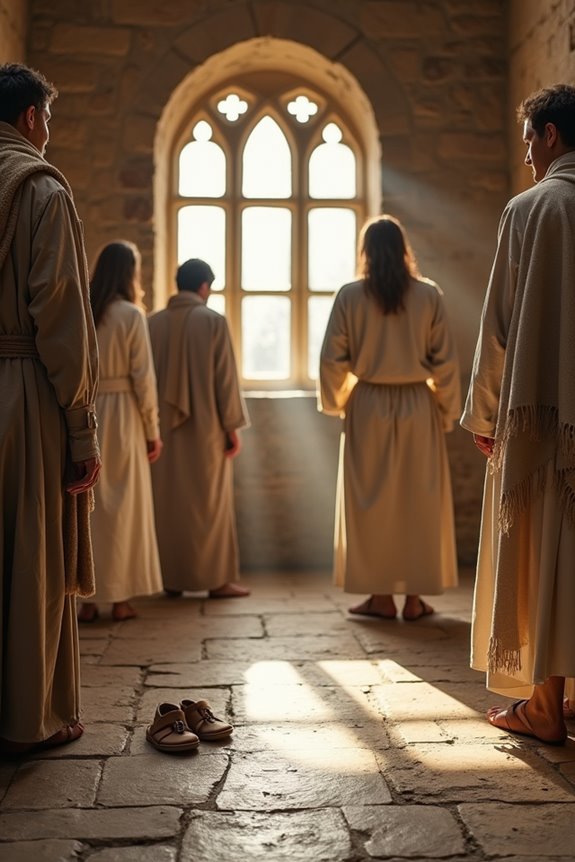
- Practical clothes that let them work and worship without fussing
- Modest outfits that didn’t scream “look at me” or “I’m wealthy”
- Everyday wear that made outcasts and slaves feel genuinely welcome
Paul didn’t show up in ceremonial dress trying to look important. Instead, he wore what fit the culture around him. The point wasn’t the clothes themselves; it was keeping the focus on faith, not fashion. When you dress simply, you’re actually following their playbook.
How to Dress for Your Specific Church Community

What works at a casual community church in Texas might feel out of place at a traditional congregation in New England, and that’s okay. I’d encourage you to observe what others wear and mirror that vibe. If most people wear jeans and t-shirts, you’ll fit right in with those. If folks sport blazers and dress pants, follow suit. Notice the colors too; some communities favor bright patterns while others prefer neutral tones. Ask yourself what your specific church values. Does your congregation emphasize reaching young families? Then casual comfort matters more. Does it attract professionals? Polish might signal respect. Neither choice is wrong. Your goal isn’t to stand out or disappear, but to show respect for your community while staying authentically yourself.