
When choosing wake attire, focus on dark colors: black, navy, or charcoal in quality fabrics that resist wrinkling. Select a classic blazer paired with dress pants or a simple dress, and keep jewelry minimal and understated. Closed-toe dress shoes in black are appropriate. Ensure your hair is neat and your grooming is clean. Before finalizing your outfit, verify any cultural or religious traditions your family observes. Getting these basics right provides a solid foundation, and each element deserves individual consideration.
Understand How Wake Attire Differs From Funeral Dress
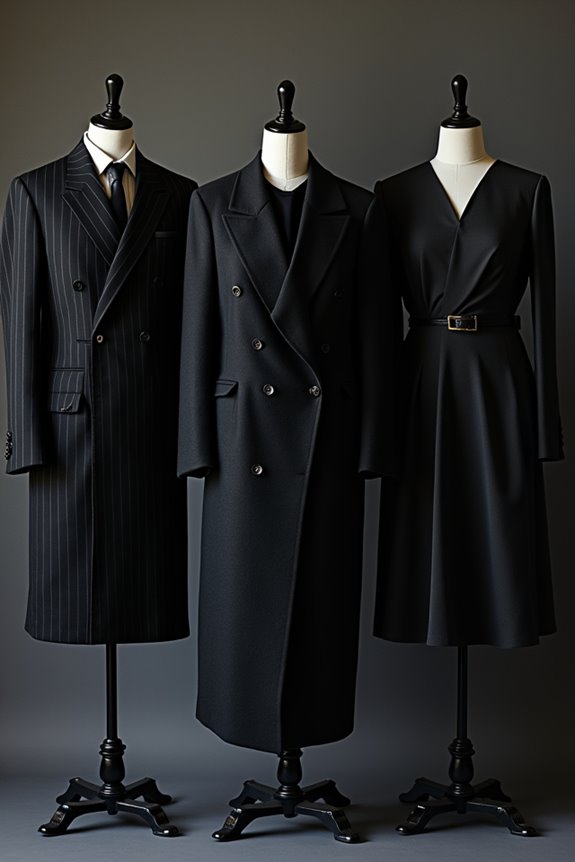
What’s the difference between what you’d wear to a wake versus a funeral? Funeral dress follows stricter conventions, while wake attire allows for somewhat more flexibility. Both occasions call for somber tones and modest silhouettes, but wakes permit a bit more personal expression than funerals do.
You should still choose dark colors like black, navy, or charcoal to show respect. At a wake, however, you can incorporate subtle personal touches that would be inappropriate at a funeral. You might wear a softer fabric you prefer or a delicate necklace with personal significance. For men, a blazer without a tie works at a wake, whereas a funeral typically requires a full suit and tie.
The guiding principle remains the same for both occasions: keep your appearance understated and unobtrusive while honoring the deceased and demonstrating that you care.
Prioritize Dark, Subdued Colors for Wake Attire

How do you pick what to wear when you’re trying to show respect at a wake? Focus on dark colors and a subdued palette. Black, navy, charcoal gray, or deep brown work best for wake attire that honors the occasion.
Keep formal attire simple with solid fabrics or minimal patterns. Choose a suit, dress, or dress pants paired with a blouse. These somber tones set the right mood without anything flashy.
Your modest accessories should complement this restrained approach. Avoid bright colors and loud patterns since they draw attention away from what matters. If you need an overcoat or shawl, select one in dark tones that matches your outfit.
Keeping everything understated demonstrates genuine respect.
Choose Tailored, Timeless Pieces Over Trendy Styles
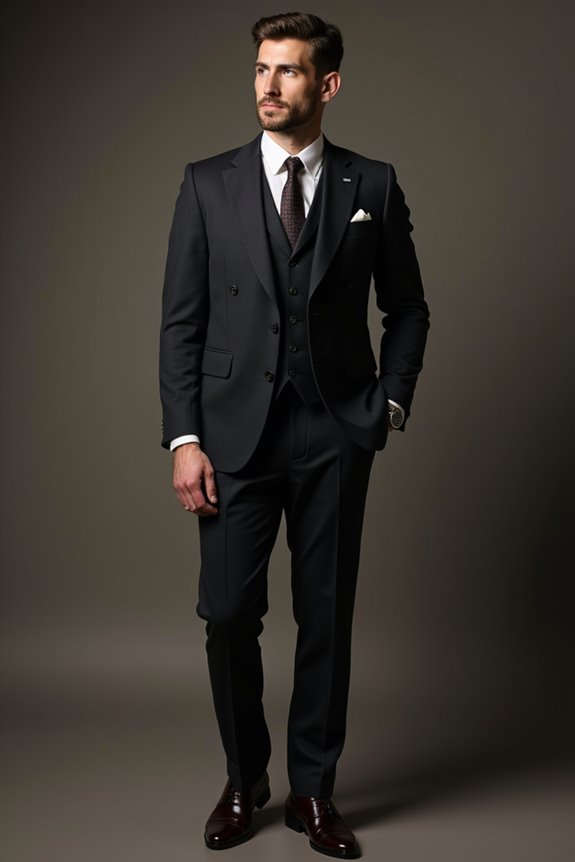
I’d suggest reaching for a classic suit or blazer with dress pants instead of whatever’s popular this season, because pieces like these won’t look dated next month. Quality fabrics matter too; I prefer a good wool or wool blend that holds its shape rather than fast-fashion materials that wrinkle and wear down quickly. When you’re dressing for a wake, you’re honoring someone, so picking pieces that’ll last you years makes more practical sense than chasing current trends.
Classic Suit Silhouettes Matter
When you’re getting dressed for a wake, your clothing choice matters more than you might think. I recommend choosing a classic silhouette like a single-breasted two-button suit jacket paired with straight-leg trousers. This combination shows respect without overdoing it.
A dark suit in charcoal or navy works well because it keeps the focus on honoring the person you’ve come to remember. Make sure your tailored fit sits properly: shoulders aligned, jacket hem at mid-thigh, trousers breaking cleanly over your dress shoes.
Skip anything trendy or oversized. Pair your suit with minimal accessories like a simple tie or small earrings, and stick to neutral colors throughout. These classic silhouettes help you fit in with others who share the same values of dignity and respect during this meaningful gathering.
Quality Fabric Selection Essential
The foundation of respectful wake attire rests on choosing fabrics that will actually hold up throughout the day. Investing in quality pieces pays off because they maintain their shape and dignity when you need it most.
| Fabric Type | Why It Works |
|---|---|
| Worsted wool | Resists wrinkles, holds structure |
| Crepe | Drapes beautifully, hides creases |
| Wool-blend suiting | Durable, professional appearance |
Look for tight weaves and even color when shopping. Charcoal, navy, and black suit everyone and convey the right tone. Skip trendy blends that wrinkle easily; they will fail you halfway through the service. Well-made pieces project dignity because the tailoring and fabric quality work together. When you choose solid colors and matte textures, you’re showing respect through thoughtfulness.
Avoid Fast Fashion Choices
Why do so many of us reach for whatever’s on sale when we’re getting ready for a wake? I get it, convenience feels easier. But here’s what I’ve learned: fast fashion pieces won’t serve you well. Those trendy items fade quickly, both literally and figuratively, leaving you looking dated instead of respectful.
Instead, invest in quality fabrics like wool blends and crepe that hold their shape beautifully. Choose tailored silhouettes in solid colors or subtle patterns: charcoal gray, navy, or black. Pair them with polished dress shoes that actually last.
When you wear formal attire that’s timeless rather than trendy, you’re showing respect. You’re also taking care of yourself. These pieces become reliable friends you’ll wear for years, not just one occasion. That’s what makes it worthwhile.
Keep Jewelry and Accessories Minimal and Understated
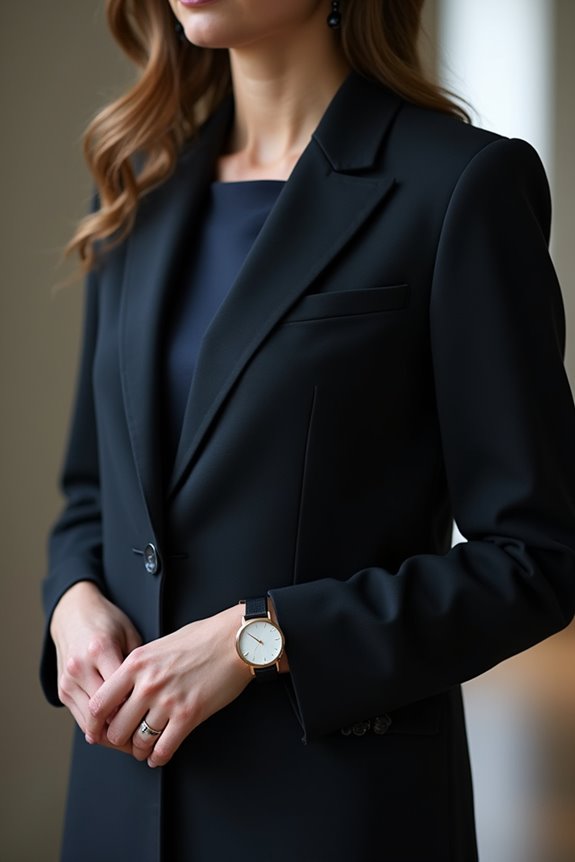
How you accessorize at a wake matters more than you’d think, because even small details can either honor the moment or draw attention away from what’s important. Keeping jewelry minimal and understated respects the somber atmosphere.
Choose conservative styling with simple silver or black cufflinks, a tie clip, or a minimalist lapel pin. A classic, subdued watch works well without drawing eyes your way. Skip sporty designs and flashy bracelets entirely.
When it comes to jewelry, less is more. Avoid large earrings or bold necklaces, and keep rings minimal to prevent distracting glare or noise. If you’re wearing a boutonnière or small lapel pin, select something simple with black or white tones.
Ensure all your understated accessories coordinate with your somber attire and muted colors. Keep everything clean and neatly presented throughout the service.
Select Footwear and Outerwear for the Venue
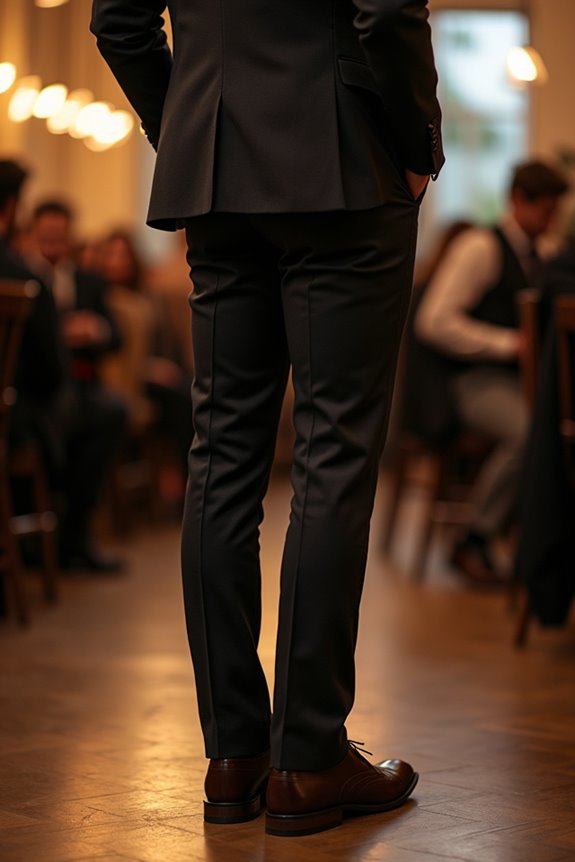
Your shoes and coat matter more than you’d think at a wake, so choose dark, polished dress shoes in black or brown that match your belt. Keep them clean and select closed-toe styles for comfort. For outerwear, pick pieces that suit the weather but remain subdued in color; dark coats without flashy details work best. Remove your coat once you’re inside the venue as a sign of respect. These pieces work together to create a neat, respectful appearance, allowing you to focus on what truly matters instead of worrying about your clothing.
Choosing Appropriate Footwear
Footwear matters more than you might think at a wake, and the right shoes set the tone for your entire appearance. Closed-toe dress shoes in black or deep navy work best because they respect the formal setting while keeping your look understated.
| Shoe Type | Best For | Avoid |
|---|---|---|
| Oxfords | Professional appearance | Scuffed or worn leather |
| Loafers | Classic, polished look | Bright colors or patterns |
| Low-heeled pumps | Elegant option | High heels or open toes |
| Comfortable flats | Extended standing | Casual sneakers |
| Dark leather shoes | Formal dress code | Worn-out footwear |
Comfort matters since you’ll be standing or walking around. Ensure your shoes are clean and polished; this shows respect for the occasion. Pair them with your dark outfit for a cohesive, respectful appearance. Skip sneakers or sandals entirely, as they don’t fit wake etiquette.
Selecting Dark Outerwear
Once you’ve nailed down your shoes, it’s time to think about what goes on top, because outerwear sets the first impression when you arrive at the venue. I recommend choosing a tailored coat or shawl in dark colors like black, navy, or charcoal. The key is selecting a matte fabric rather than anything shiny, which honestly just draws unwanted attention.
Make sure your outerwear fits well and complements whatever you’re wearing underneath. Bulky or flashy designs work against the somber attire you’re aiming for. Your closed-toe footwear should match your outerwear’s dark palette, creating a coordinated appearance from head to toe.
Remember to remove your coat when you enter. This small gesture keeps focus on the ceremony and shows respect for the occasion.
Venue-Specific Clothing Considerations
Have you thought about how the location itself might shape what you wear? Venue considerations matter when selecting wake attire.
What I’ve learned about matching your somber dress code to different spaces:
- Indoor venues – Choose dark dress shoes in black or brown with non-slip soles, keeping shine minimal to match formal wear expectations.
- Colder locations – Pair a tailored dark coat or shawl with your outfit, ensuring it stays neat when worn inside.
- Footwear choices – Select closed-toe styles with understated designs. Avoid athletic shoes or flashy logos that feel out of place.
A lightweight outer layer like a dark blazer gives you flexibility to remove it if needed. Adding hosiery or socks that blend with your outfit helps you feel put-together. These small adjustments let you show respect while feeling genuinely comfortable.
Groom Yourself to Match the Occasion
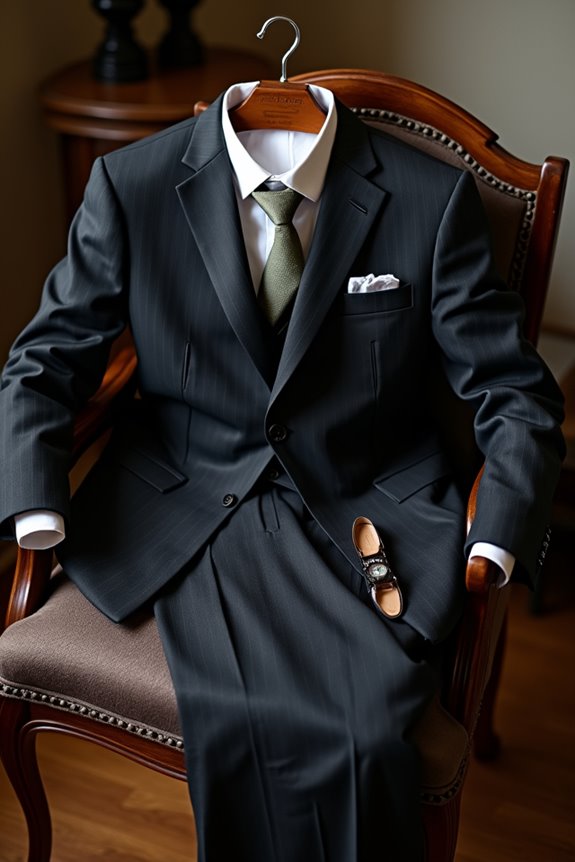
What’s the best way to show respect through your appearance at a wake? Thoughtful grooming matters. Keep your hair tidy and neat, which takes just a few minutes but demonstrates you care. For wake attire, choose conservative dress in dark colors such as navy or black. Trim your facial hair cleanly, and keep your nails trimmed and clean. I always avoid bold colors that draw attention away from what truly matters. Skip heavy fragrances; a light cologne or none at all works better in sensitive funeral environments. Remove most jewelry and accessories, keeping only modest pieces like a simple watch. These small grooming choices help you blend respectfully into the moment and show genuine regard for the family and occasion.
Verify Cultural and Religious Dress Expectations First
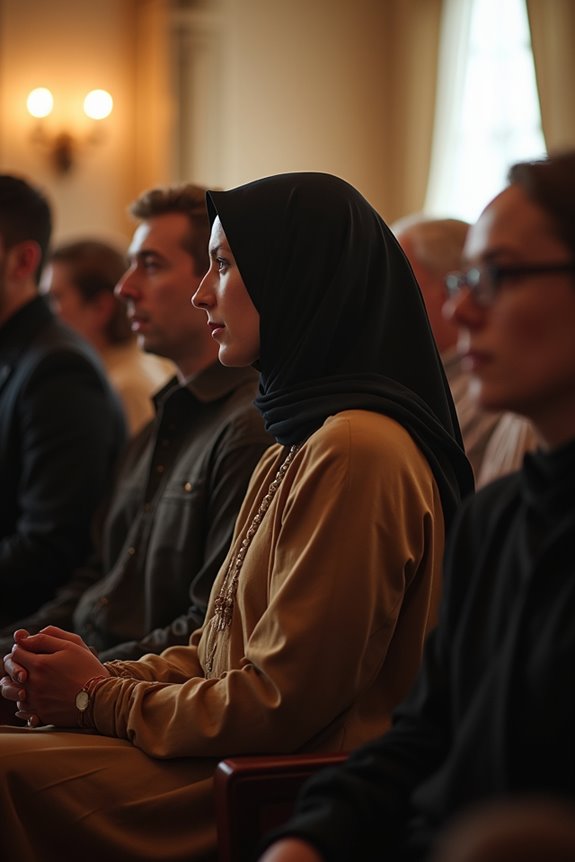
While those grooming basics I mentioned set the right foundation, they’re only part of the picture. What you wear also depends heavily on the family’s background and beliefs.
Religious attire and cultural dress expectations vary considerably across traditions. Before I pick out my outfit, I ask about their specific customs because what’s respectful in one community might not apply in another.
What to check:
- Head coverings or modest necklines – Some traditions require these, while others don’t
- Color guidelines – Black works universally, but some cultures avoid white or bright colors
- Fabric and sleeve length – Modesty guidelines differ depending on religious practice
When I’m unsure about traditional funeral dress codes, I contact the funeral home or ask someone from the family directly. They’ll guide me toward appropriate choices that show I respect their beliefs and their moment of grief.