
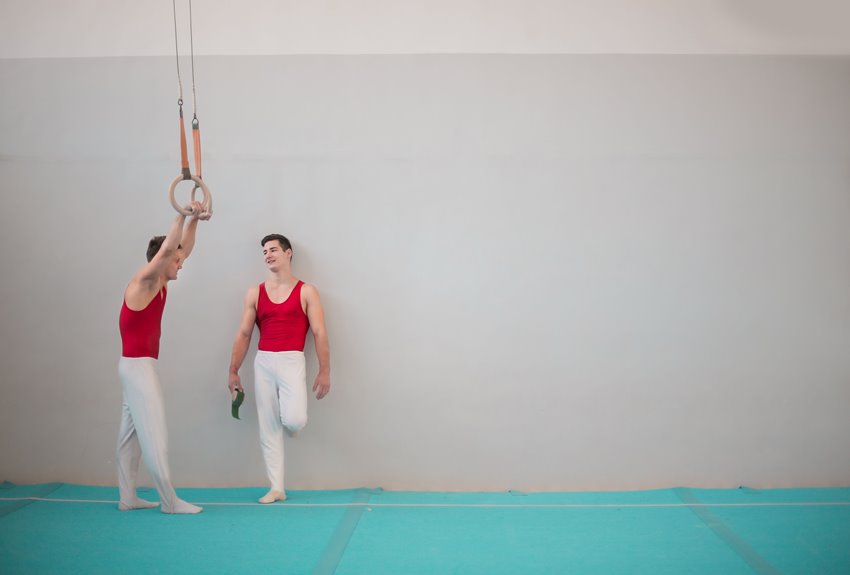
Choosing the right gymnastics leotard involves seven key decisions. First, set your budget; expensive doesn’t guarantee quality, so focus on materials instead. Next, decide if you need training or competition wear, since they serve different purposes. Torso length is important for proper fit, and you’ll want snug fabric that won’t ride up. Look for durable, breathable 4-way stretch blends, pick sleeveless for training and sleeved for competitions, check the brand’s return policy, and prioritize comfort. Getting these basics right improves your training experience, and there’s much more to explore about each one.
Decide Your Budget First: Expensive Doesn’t Always Mean Better
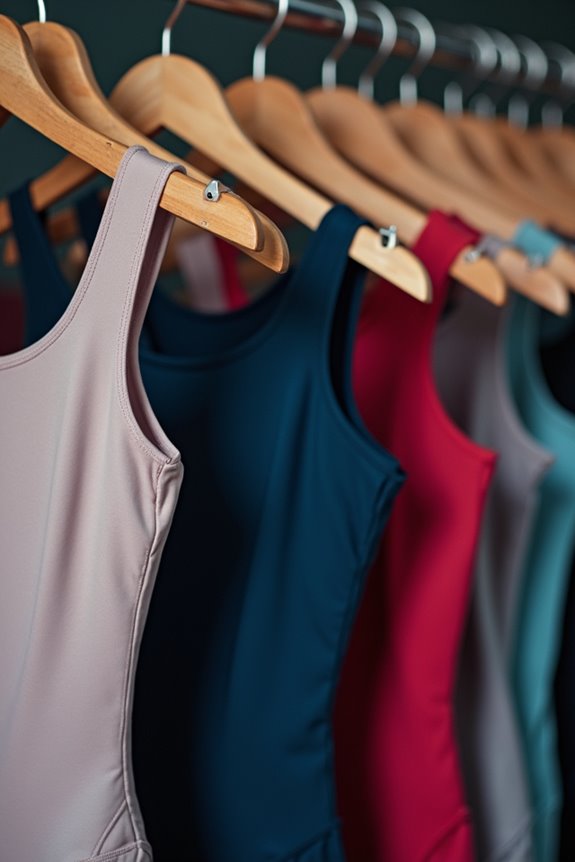
When you’re ready to buy gymnastics wear, start with your budget before you look at leotards online or in stores. Gymnastics leotards range from thirty euros to several hundred, so knowing what you can spend helps you focus your search. Expensive doesn’t mean better quality. A pricey leotard might not last longer than an affordable one if the materials aren’t right. Rather than chasing high prices, evaluate the actual materials. Look for fabrics with 4-way stretch and moisture management that fit your budget. Compare what you’re getting for your money by checking construction quality and how often you’ll wash the piece. That’s real value.
Determine the Purpose: Training Gear vs. Competition Wear
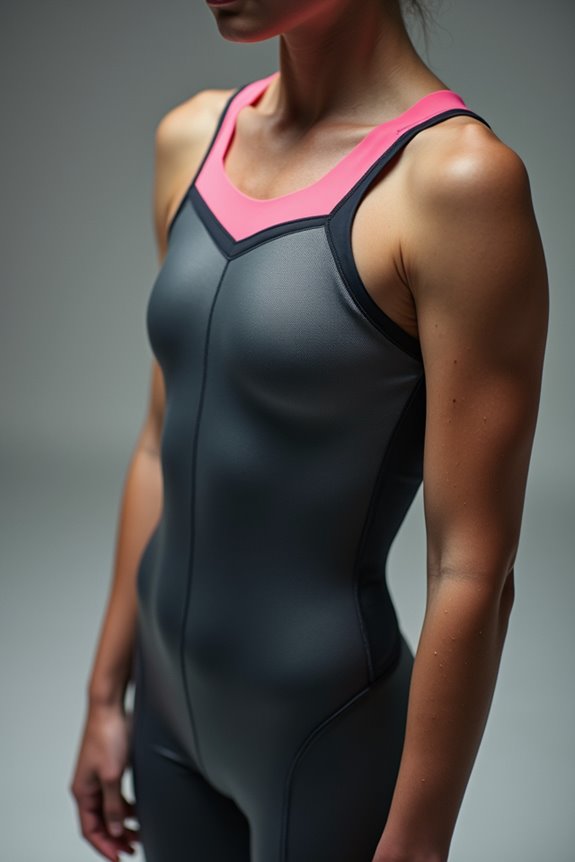
Not all leotards are created equal, and what you wear to practice shouldn’t be the same as what you’d wear to compete.
Training gear and competition wear serve entirely different purposes. Training gear prioritizes comfort and breathability so you can move freely during long practice sessions. Competition wear, however, focuses on performance and presentation on stage.
Key differences include:
- Training leotards use stretchy nylon/spandex blends for durability through frequent washing
- Sleeveless tank styles offer freedom for cooler gym temperatures
- Competition wear features long sleeves, embellishments, and secure designs that stay put
- Training pieces cost less than competition outfits
- Fabric durability matters for both, but training gear gets tested harder
When choosing what to wear, consider where you’ll actually be performing. Your training gear should feel like a second skin. Your competition wear should make you feel confident and ready for the stage.
Get the Fit Right: Torso Length and Snugness Matter Most
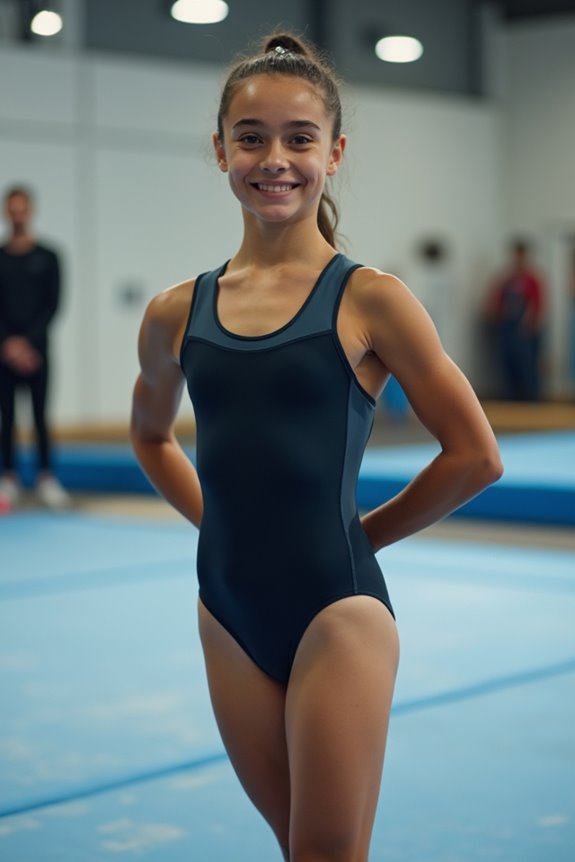
When you’re shopping for a leotard, torso length is the make-or-break factor. A too-short one rides up during tumbling, while a too-long one gets in your way during inversions. You’ll want it snug enough that the fabric stays close to your body and won’t snag on equipment, but loose enough that you can still move your arms and legs freely. Trying on the leotard is really the only way to know if it’s right, since sizing varies so much between brands and sometimes even by height rather than age.
Torso Length Is Critical
Why does torso length matter so much in gymnastics wear? Getting this measurement right makes the difference between feeling confident and constantly adjusting your leotard during practice.
When your torso length fits snugly, you’re able to move freely without distractions. Here’s what happens when you nail this fit:
- Your leotard stays in place during tumbling and inversions
- The crotch area sits smoothly without sagging or bunching
- You avoid transparency issues that can happen with loose fabric
- Your form looks cleaner and more controlled
- You reduce safety risks from shifting fabric
Check your specific sizing and measurements against brand charts before ordering. If you’re between sizes, go slightly longer. Alterations are easier than dealing with a too-short fit that restricts your movement and confidence.
Snug Fit Prevents Slipping
How snug should your leotard actually be? A snug fit is your best friend during gymnastics. You want the fabric hugging your body closely enough that it won’t slip during inversions or tumbling, but not so tight that you can’t move freely.
A secure fit prevents snagging on equipment and keeps you safe when you’re upside down. The key is finding that sweet spot where the leotard stays in place without restricting your range of motion.
Since torso length directly affects how snug your fit feels, always check brand-specific size charts rather than relying on regular clothing sizes. If you’re between sizes, choose the larger option and consider alterations. This approach ensures your leotard supports you properly without bunching or sagging during dynamic moves.
Trying On Ensures Proper Fit
You can’t know if a leotard truly fits until you’ve actually put it on and moved around in it. I’ve learned this the hard way after ordering online and being disappointed. Sizing charts aren’t reliable because torso length varies so much between people.
When you try on a leotard, check these important things:
- Does it stay in place during stretches and movement?
- Can you perform a full range of motion comfortably?
- Is there any sagging or bunching around your arms or legs?
- Does the fit feel snug without restricting your breathing?
- Can you move freely without the fabric digging in?
If you’re unsure between sizes, go larger. You can always get alterations for narrower arms or longer torsos. The fit-on process takes time, but it’s worth getting it right.
Pick Durable Leotard Fabrics That Survive Frequent Washing
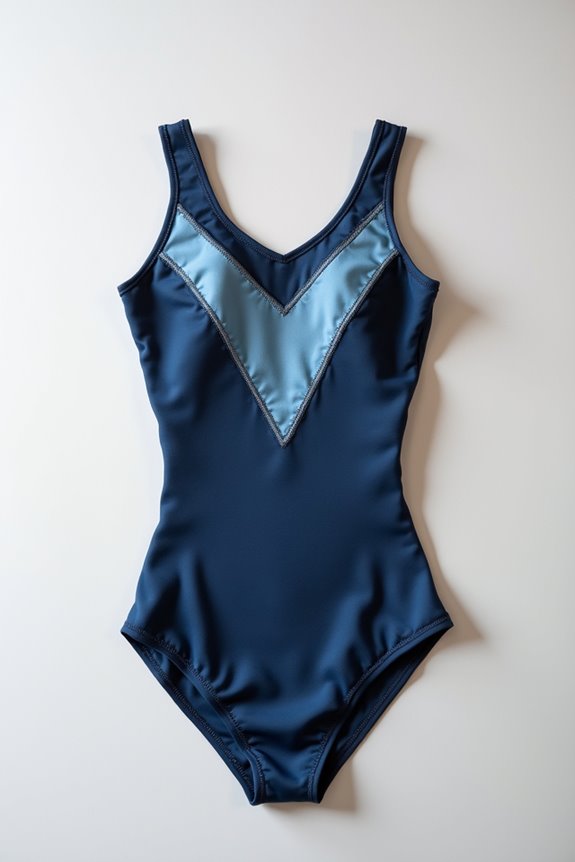
Picking the right fabric blend significantly affects how long your leotards last, particularly when washing them frequently. Look for 4-way stretch fabrics such as nylon or polyester blended with spandex. These materials bounce back after workouts and washing instead of becoming stretched out and saggy.
Proper care extends the lifespan of these fabrics. Hang-dry your leotards instead of using the dryer. This simple practice requires only a bit of patience and will add multiple seasons to your garment’s usable life.
Fabric Blends For Longevity
When’s the last time you checked what your leotard’s actually made of? I’ve learned that the fabric blend matters way more than I initially thought. A nylon/spandex blend gives you the durability you need when you’re washing your gear constantly after training.
Here’s what I look for now:
- 4-way stretch fabrics that move with your body through every wash cycle
- Moisture-absorbing liners that keep things discreet during practice and laundering
- Colorfastness so your favorite colors don’t fade after multiple washes
- Pilling resistance that keeps your leotard looking fresh longer
- Shape retention that doesn’t get stretched out or saggy
These blends hold up better over time. I’ve ditched cheaper options because they simply don’t last. Investing in quality fabric means I’m spending less money replacing worn-out leotards constantly.
Care Tips Extend Lifespan
How much thought do you actually give to washing your leotards? I didn’t either until my favorite pair started falling apart. Here’s what I’ve learned: hang drying is your best friend. I know machine drying seems easier, but it damages those delicate nylon/spandex fibers and causes shrinkage. Instead, I drape mine on a hanger after a gentle wash.
I’ve also started checking seams regularly because catching loose threads early prevents bigger problems. When you’re training hard, your leotards take a beating, so those moisture-absorbing liners matter too. They keep everything looking fresh longer.
These small habits genuinely extend your leotard’s life. You’re investing in pieces that support your gymnastics journey, so treating them right just makes sense.
Choose Sleeveless for Training, Sleeved for Competition
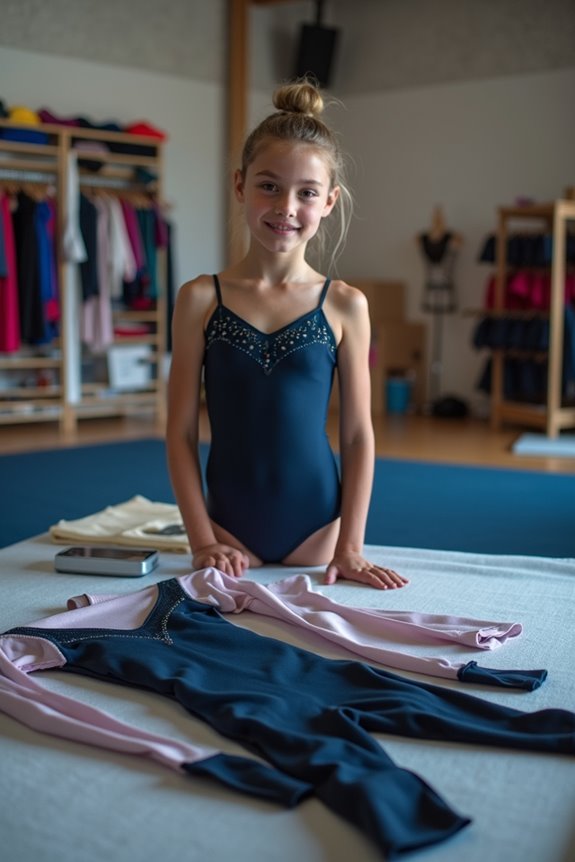
There’s actually a pretty practical reason why most gymnasts wear different leotards for training versus competition.
Most gymnasts wear different leotards for training versus competition for practical, performance-based reasons.
I’ve learned that what works in the gym doesn’t always work on the mat. Here’s what I consider when choosing gymnastics leotards:
- Sleeveless training wear keeps you cooler and costs less, which matters when you’re sweating through practice
- Better arm mobility means you can move freely without fabric getting in your way during loops or apparatus work
- Sleeved competition standards meet what judges expect and look more refined under lights
- Three-quarter sleeves give you balance between staying cool and having coverage for embellishments
- Grip matters too: sleeves can affect how your hands feel on equipment, so test beforehand
I value having separate pieces because I’m not worried about ruining my competition leotard during tough training sessions. It’s just smarter planning.
Verify the Leotard Brand’s Return Policy and Community Values
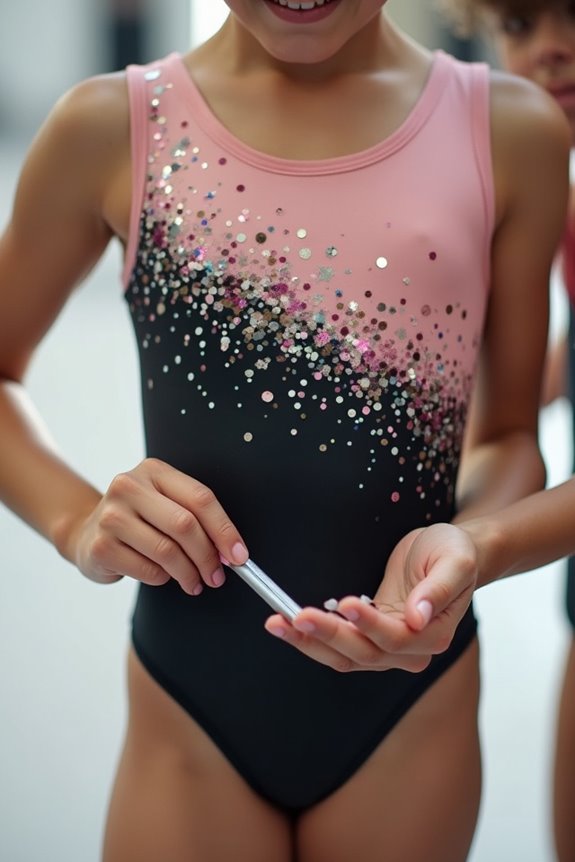
Once you’ve narrowed down your leotard options based on fit and style, the brand’s return policy becomes just as important as the product itself. I’ve learned that checking time limits, tag requirements, and whether worn items qualify for exchanges matters before you buy. Look for brands offering free return shipping and quick refunds, since a leotard that doesn’t fit right affects your performance and safety.
| Policy Feature | What to Look For |
|---|---|
| Time Limits | 30-60 days for returns |
| Exchanges | Available for size issues |
| Shipping | Free return options |
| Refunds | Issued within 2 weeks |
Beyond logistics, I value exploring a brand’s community values. Does the company support causes you care about? When you align your purchase with shared values, you’re joining a community that resonates with your priorities.
Prioritize Comfort and Breathability in Every Gymnastics Leotard
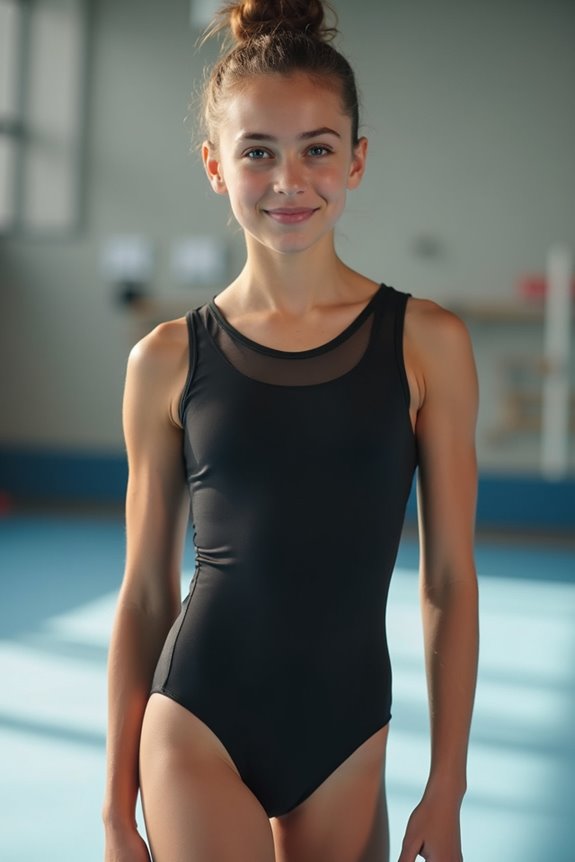
Why does comfort matter so much when you’re flipping and twisting for hours? Breathability and comfort aren’t luxuries; they’re necessities that keep you focused on your routine, not your outfit.
Breathability and comfort aren’t luxuries—they’re necessities that keep you focused on your routine, not your outfit.
When I’m hunting for leotards, I prioritize these features:
- Lightweight nylon/spandex or polyester/spandex blends that move with your body
- 4-way stretch materials that forgive every bend and extension
- Moisture-absorbing crotch liners that maintain coverage during intense training
- Racerbacks, mesh cutouts, and sleeved designs that enhance airflow
- Fabrics that feel smooth against your skin, never itchy or scratchy
When my leotard fits well, I perform better. The right breathability keeps you cool, while genuine comfort means you’re not constantly adjusting or worrying. That’s when you belong on the mat, fully present in your practice.