Start with business-casual basics like solid navy or black slacks paired with a plain polo or button-down shirt. Wear comfortable, closed-toe shoes you’ve already broken in, and keep jewelry minimal so nothing catches on gear. Skip logos and busy patterns; they’re distracting. Layer up since you’ll move between hot vehicles and cool stations.
Most importantly, call your division ahead of time to confirm their specific expectations, because what works for one department might not fit another’s standards.
Start With Business-Casual as Your Foundation
Why does what you wear to a police ride-along matter so much? Your dress code sets the tone for how officers and the public perceive you during your shift. Business-casual is your foundation; it’s the right balance between looking professional and staying comfortable.
Pack traditional dress shirts, knit shirts with collars, or sweaters paired with slacks or dress jeans. These pieces work together well and won’t make you feel overdressed or out of place. For footwear, choose conservative, comfortable shoes like tennis shoes or loafers that let you move easily during potentially long hours.
The goal is showing respect for the profession while keeping yourself practical. You’re joining a team, and dressing appropriately helps you fit right in.
Choose Solid Colors and Simple Fabrics
When you’re riding along with police officers, stick with solid, darker colors like navy, black, or charcoal gray. These shades look professional and won’t distract from what’s happening around you. Simple fabrics without texture or patterns work best. A plain polo shirt or basic knit shirt paired with flat-front slacks is ideal since they’re comfortable for long hours, don’t wrinkle easily, and won’t draw unnecessary attention. Loud patterns, bright colors, or anything with logos will make you stand out in ways that work against you during the ride-along.
Avoiding Distracting Patterns
Solid colors work best during ride-alongs. Busy patterns distract both you and the officers around you. Stripes, checks, and loud designs pull attention away from what matters, and they can catch light awkwardly during observations.
Opt for minimal patterns: plain navy, charcoal, or black. These options provide a professional appearance without visual noise. Cotton or twill fabrics in solid colors won’t reflect light or appear flashy.
Skip busy textures, abstract designs, or multiple competing colors. When working alongside officers, you need to blend into the background professionally. Your clothing should support the work, not distract from it. Keep it simple, and you’ll feel more confident.
Professional Color Selections
The colors you pick matter when you’re riding along with police officers. Stick with dark clothing like navy, black, or charcoal gray. These solid hues project professionalism without demanding attention, which is what you want during observations.
Your business-casual attire should feel intentional. A dark polo shirt or button-down in conservative tones works well. Simple, solid colors help you blend into the background, letting officers focus on their work rather than your outfit.
Skip bright colors entirely. They distract from the serious nature of police work and make you stand out awkwardly. Choose professional color selections that feel understated and composed. When you select dark, neutral tones, you signal to officers that you’re there to respect their space and learn responsibly.
Pick Closed-Toe Shoes Rated for Long Shifts
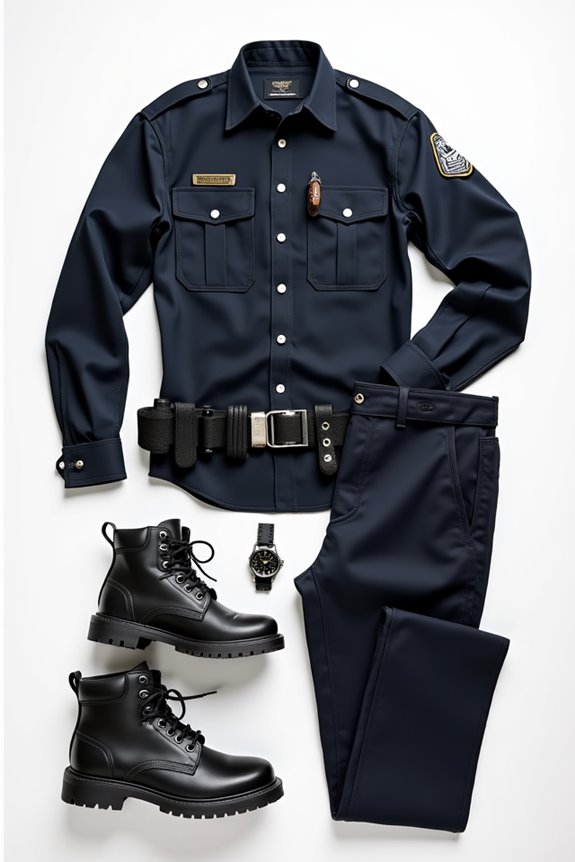
Your feet are going to thank you if you choose closed-toe shoes that can handle a full shift of walking, standing, and occasional quick movements. Closed-toe footwear isn’t just about following dress-code compliance; it’s actually protecting your feet from unexpected hazards you might encounter.
Look for practical options like dress shoes, loafers, or sturdy sneakers if your department allows them. These choices give you the long-shift comfort you’ll need without sacrificing professionalism. Make sure whatever you pick has decent cushioning and proper support because you’ll be on your feet constantly.
Break in your shoes before the ride-along. I learned this the hard way with blisters. You want footwear that feels comfortable from hour one, letting you focus on the experience rather than your aching feet.
Keep Jewelry Minimal and Secure
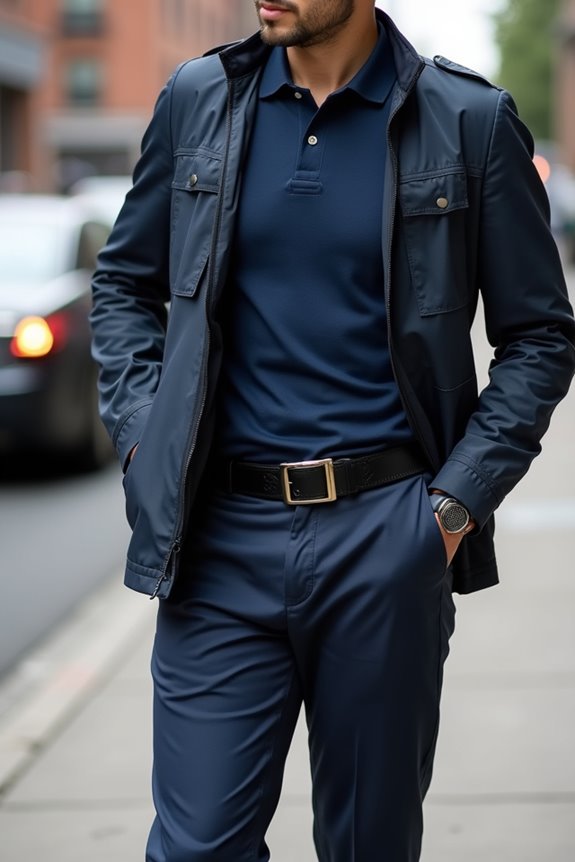
Why do police officers wear minimal jewelry during shifts? Safety and security matter when you’re working alongside law enforcement. Keeping jewelry simple protects you during patrol observations and ensures you won’t distract uniformed personnel.
Safety and security demand minimal jewelry when working alongside law enforcement during patrol observations.
Leave behind or secure the following items:
- Long necklaces that could catch on gear or equipment
- Dangling bracelets that snag during tight maneuvers
- Rings that interfere with handling tools or squeezing through narrow spaces
Choose non-reflective pieces instead. They won’t draw unwanted attention or create safety hazards. A simple watch or small studs work well because they’re practical and secure. If jewelry might slip off or get damaged during physical assistance, leave it home. You’ll feel more confident knowing you’ve eliminated potential problems before they happen.
Avoid Logos, Slogans, and Decorative Details
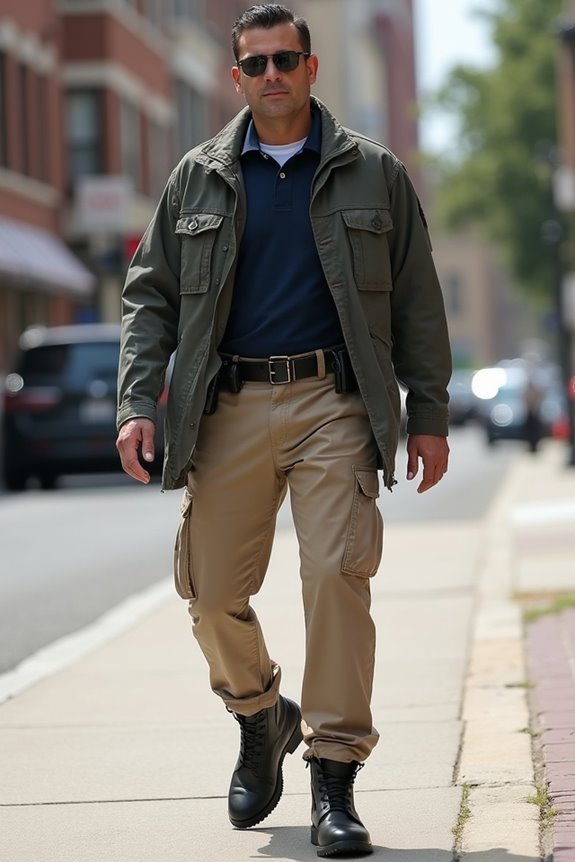
Once you’ve got your jewelry sorted, clothing choices matter just as much. Skip anything with logos, slogans, or decorative details on your shirt or jacket. These elements can distract officers and complicate video documentation, which isn’t ideal when you’re there to observe professional work.
Instead, reach for solid, darker colors like navy, gray, or black. A plain dress shirt or simple knit shirt with a collar keeps things professional without drawing attention. Consider how your outfit appears on camera as well.
Your goal is blending in, not standing out. Avoid flashy graphics or brand names splashed across your chest. Keep it understated and clean. This professional appearance shows you respect the environment and take the experience seriously. Simple works best.
Skip Denim, Sneakers, and Flashy Accessories
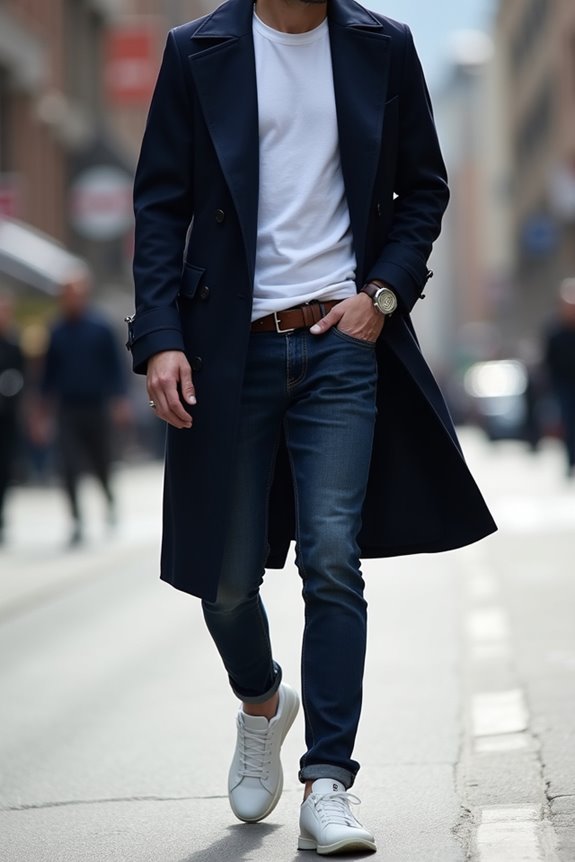
I’d skip denim altogether because it reads too casual for a ride-along, even if your jeans feel comfortable. Instead, I’d grab loafers or leather dress shoes for that professional comfort zone; they’ll keep your feet happy without the sneaker vibe that doesn’t fit the setting. When it comes to accessories, I’d leave the chunky bracelets and statement necklaces at home. A simple watch or small earrings work much better, and you’ll avoid anything that jingles or catches attention while officers are trying to focus on their job.
Why Denim Doesn’t Work
Have you ever noticed how denim, despite being comfortable and practical, just doesn’t fit the vibe of a police ride-along? I get it; jeans are your go-to, but here’s why they won’t work for your ride-along attire.
Denim reads casual, and you’re aiming for a professional appearance. Officers need to trust that you understand the environment you’re entering. When you show up in worn jeans, you’re signaling that you didn’t take this seriously enough to dress appropriately.
Consider these reasons denim falls short:
- It looks too relaxed for a professional setting
- Distressed or faded styles seem disrespectful
- Denim suggests you’re not ready for the responsibility
Swap those jeans for business casual slacks or dark dress pants instead. You’ll fit right in with the team, and you’ll feel more confident standing beside officers who take their role seriously.
Sneaker Alternatives For Comfort
Why do so many people think sneakers are their only comfortable option for a ride-along? I used to feel the same way until I discovered better alternatives that actually work. Dress shoes like loafers provide solid support without appearing casual, and they pair naturally with slacks. If you’re worried about comfort during long hours, consider hiking shoes in dark colors. They’re designed for extended wear and won’t clash with business-casual standards. Dark, minimalistic athletic shoes work too if sneakers feel necessary; just keep logos subtle and laces clean. The key is choosing footwear that supports your feet during sitting and walking without drawing attention. You’ll feel more confident and fit right in with the culture.
Avoiding Flashy Accessory Mistakes
When you’re getting ready for a ride-along, it’s easy to grab whatever accessories you’ve got lying around, but that’s actually when things can go wrong. I’ve learned that Law Enforcement professionals appreciate when you keep things simple and understated.
Make sure you avoid these common accessory mistakes:
- Large watches with shiny metal bands or loud logos that catch the light
- Chunky rings, bracelets, or necklaces that jingle when you move
- Belts with oversized buckles or bold designer emblems
These distractions might feel right to you normally, but they’ll draw unwanted attention during your shift. Stick with a basic leather belt, a simple watch, and minimal jewelry instead. Your goal is blending in respectfully and showing Law Enforcement you understand the seriousness of the experience. Keep it understated, and you’ll feel confident the entire ride.
Dress in Layers for Temperature Swings
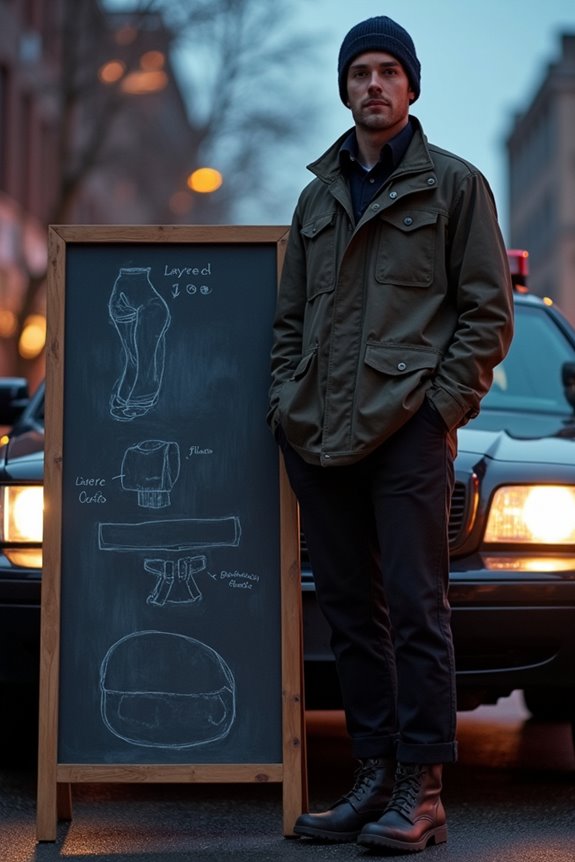
Because you’ll be moving between a climate-controlled patrol car and outdoor environments, layering is your best strategy for staying comfortable. Start with a breathable base layer that keeps you dry, then add a comfortable shirt or sweater over it. Top everything off with a jacket or vest you can easily remove when you’re inside the vehicle.
This approach lets you adjust without feeling restricted. Pick practical, flexible pants and closed-toe shoes that won’t slow you down if you need to move quickly. Stick with darker, solid colors too; they look professional and won’t create annoying glare during observations.
The key is avoiding bulky outerwear that gets in your way or blocks access to your gear. You’ll appreciate the flexibility when temperatures shift throughout your shift.
Prioritize Comfort for Unexpected Action
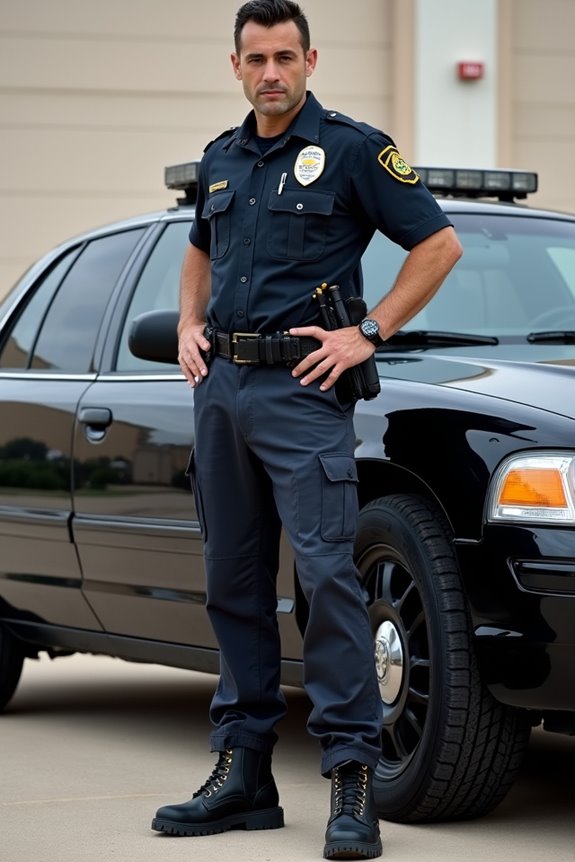
Skip fashion trends and opt for practical pieces that allow full range of motion. You may need to exit your vehicle quickly, so comfort and functionality matter most.
Consider wearing tactical-style pants like 5.11 paired with a comfortable button-down shirt in a darker color. This combination keeps you looking professional while ensuring nothing restricts your movement if situations develop rapidly. The key is maintaining a polished appearance without sacrificing the ability to respond to unexpected circumstances.
Flexibility Over Fashion Trends
During a police ride-along, your outfit matters far less than your ability to move freely when things happen fast. Fashion trends have no place in a patrol car. You’re not trying to impress anyone; you’re preparing yourself for whatever the shift brings.
Think about ditching anything that restricts movement. Consider these essentials:
- Dark slacks or 5.11 pants that let you bend, crouch, or move quickly without restriction
- A solid polo or button-down shirt in navy or black that doesn’t ride up or catch on anything
- Comfortable, conservative shoes that keep you stable on uneven ground or in a vehicle
Stick with neutral colors and minimal logos. Long sleeves offer practical protection. Your job is staying functional, not fashionable. Comfort wins every single time.
Movement-Ready Clothing Choices
The right clothes let you move without thinking about them. I’d recommend grabbing 5-11 pants or similar flexible slacks because you’ll need to kneel, bend, and shift positions constantly during your ride-along. Pair them with a solid, darker-color polo or knit shirt that gives you room to move your shoulders and arms freely.
Skip the tight jeans and heavy logos; they’ll just get in your way. Instead, choose breathable fabrics with stretch in the waistband so you’re comfortable whether you’re sitting in the patrol car or standing outside. Add a jacket over your undershirt to handle temperature changes between indoors and outdoor moments.
For shoes, pick conservative, comfortable dress shoes or athletic ones that work for both walking and quick steps. You’ll appreciate practical footwear when action happens fast.
Confirm Dress Code With Your Division
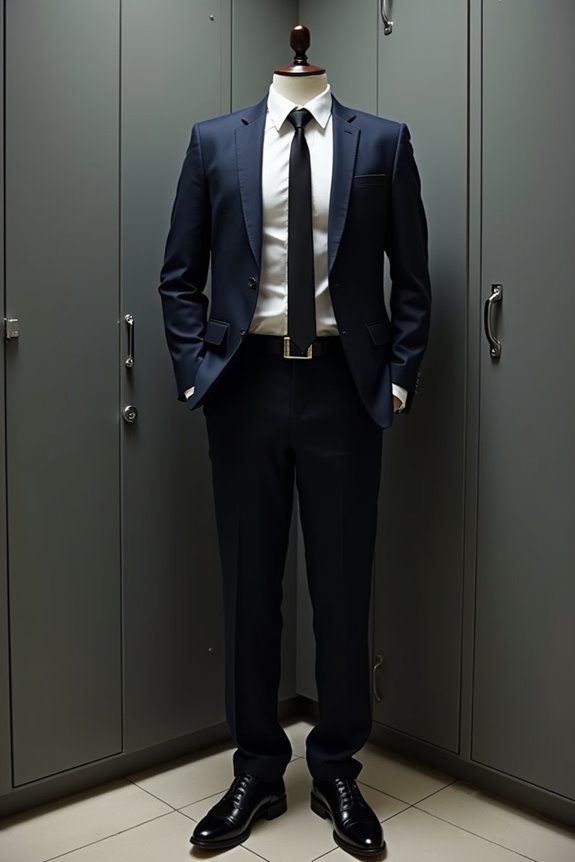
What’s the first thing you should do before showing up for your ride-along? Call your specific division and confirm their dress code expectations. I learned this the hard way; different divisions have different standards, and you don’t want to show up in the wrong outfit.
Call your division first to confirm dress code—different divisions have different standards, and you don’t want to show up in the wrong outfit.
When you call, ask about these details:
- Whether business casual means dress shirts or if knit shirts work fine
- If dress jeans are acceptable or if you need traditional slacks
- What footwear they prefer (sneakers, dress shoes, or hiking boots)
Getting clarity upfront saves you from awkwardness on the day. You’ll feel confident and ready to focus on the experience rather than worrying about your clothes. Your division wants you prepared, and confirming these details shows you’re taking it seriously.
Review Ride-Along Instructions Before Arrival
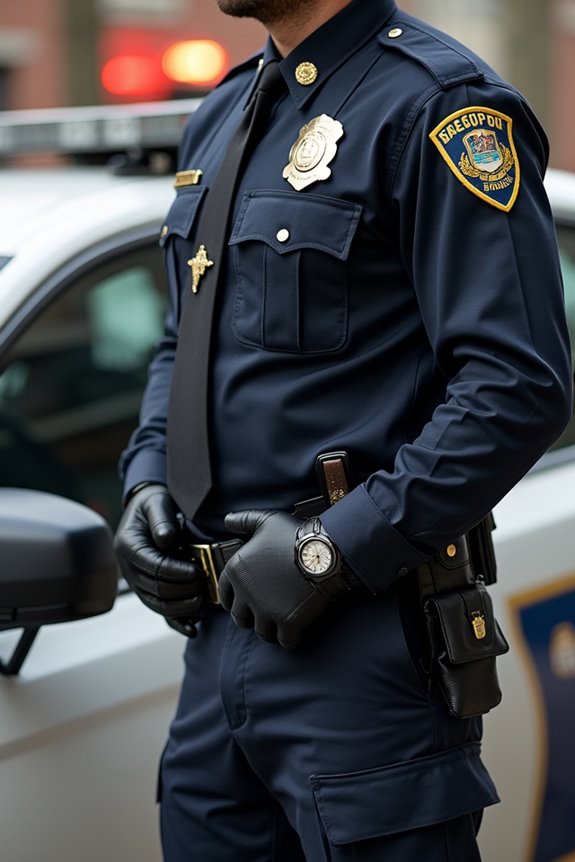
Once you’ve got your outfit squared away, it’s time to handle the paperwork side of things. Before you arrive, download and review both the Ride-Along Instructions and Ride-Along Waiver forms from your patrol division’s contacts page. Reading these beforehand prevents awkward surprises on the day itself.
| Document | Purpose | Why It Matters |
|---|---|---|
| Ride-Along Instructions | Explains procedures and expectations | Helps you understand what to expect |
| Ride-Along Waiver | Legal acknowledgment of participation | Required for your safety protection |
| Division Contacts | Scheduling and coordination info | Ensures proper communication |
These forms cover important details about safety protocols and what you’ll experience. Spending thirty minutes to read through everything ensures you’ll feel confident and prepared when you arrive, ready to make the most of your ride-along.