
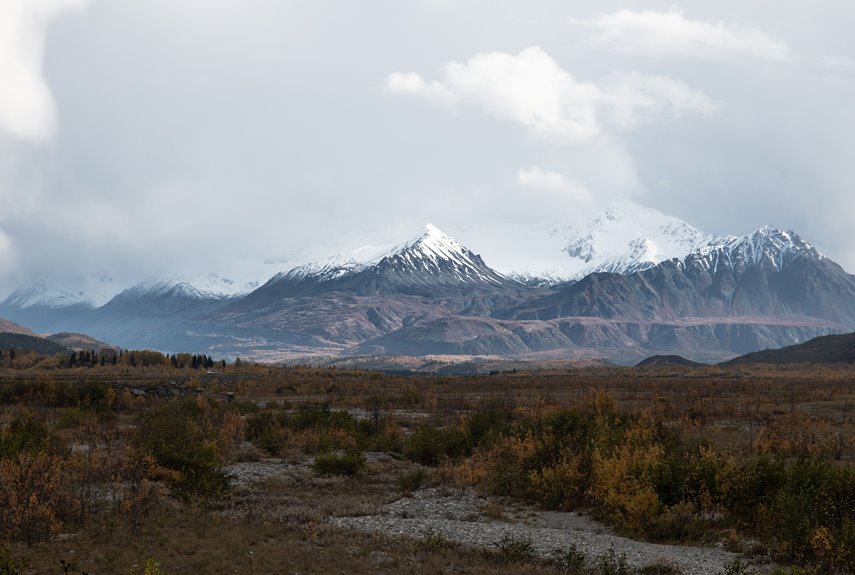
Pack moisture-wicking base layers first; they’ll keep you dry through Alaska’s unpredictable shifts from cool mornings to mild afternoons. Layer with fleeces and a waterproof rain jacket with sealed seams, then add waterproof pants and hiking boots with good grip. Don’t forget sunglasses with polarized lenses, a brimmed hat, and SPF 30+ sunscreen since you’ll reapply constantly near water. Bring a daypack, dry bag for electronics, portable charger, travel documents, medications in original containers, and compact binoculars for wildlife spotting. Each item addresses September’s rain and variable temperatures with purpose.
Why September Requires Rain Gear and Layering: Alaska’s Cool, Wet Reality
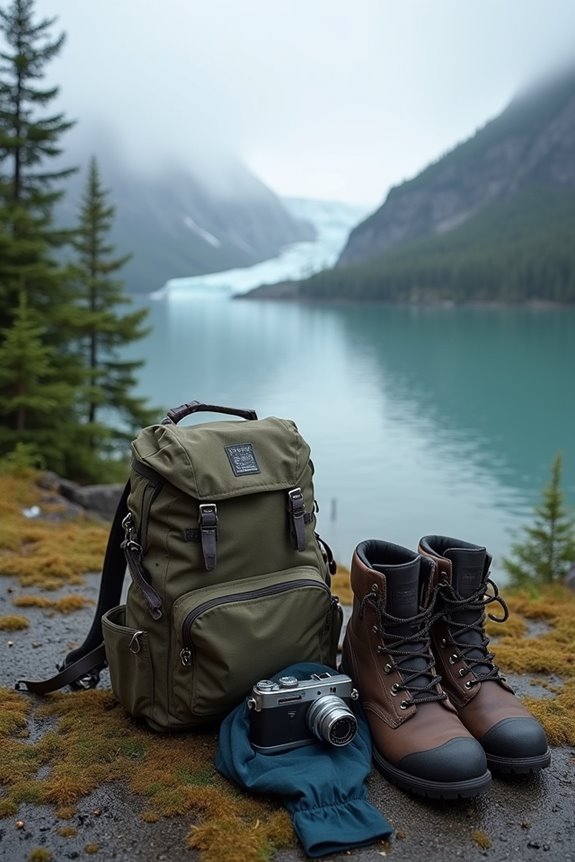
Why does Alaska in September feel like it’s playing a trick on you? You’ll wake up to cool mornings, then face afternoon rain that catches you off guard. I’ve learned that rain gear isn’t optional here; it’s essential. You need a waterproof outer layer like a rain jacket or hooded raincoat to handle frequent showers and ocean spray. But here’s the thing: layering is your most effective strategy. I pack base layers under mid-layers, then top everything with my waterproof shell. This approach lets me adapt as Alaska’s weather shifts throughout the day. Add waterproof socks, gloves, and a hat to complete your setup. When you’re prepared with proper rain gear and smart layering, you’ll actually enjoy September’s cool, wet reality instead of fighting it.
Moisture-Wicking Base Layers: The Foundation for Staying Dry
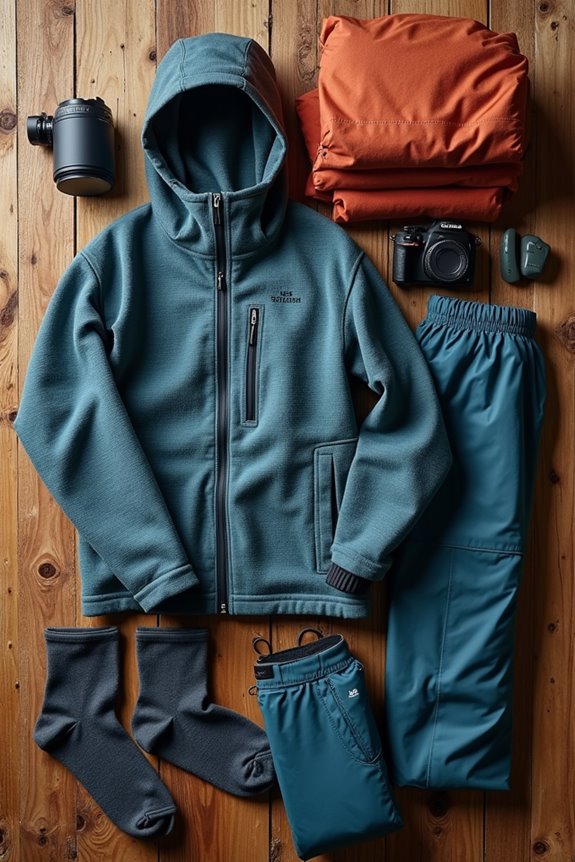
Once you’ve got your outer rain shell locked down, you’ll realize that what you wear underneath matters just as much. Moisture-wicking base layers are effective for staying comfortable during September’s unpredictable conditions. These pieces pull sweat away from your skin, keeping you dry whether you’re hiking ashore or working on deck.
This approach lets you build a layering system with intention. Start with your moisture-wicking base layer, add mid-layers for warmth, then top everything with your waterproof outer shell. This combination handles temperature management as conditions shift throughout the day.
Quick-drying fabric is important too. You’ll want pieces that dry fast between excursions or if you’re doing laundry onboard. That’s how you’ll rewear these layers without feeling damp and uncomfortable.
Waterproof Rain Jackets and Pants: Non-Negotiables for September
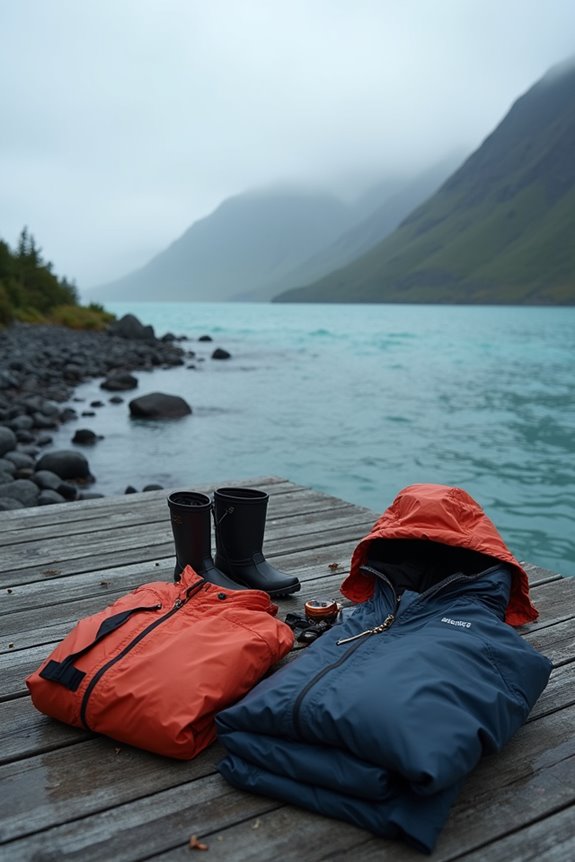
I’ve learned the hard way that September in Alaska laughs at regular jackets, so you’ll need a truly waterproof rain jacket and pants that actually keep moisture out, not just repel it. What I value about layering with rain protection is that you can wear a lightweight waterproof shell over your warm base and mid-layers, which means you’re ready for anything from misty mornings to sudden downpours without overheating. Look for gear with hoods and sealed seams. Those details matter when the difference is between a comfortable day exploring and spending your shore excursion feeling damp and miserable.
September Weather Demands Waterproofing
When you’re standing on an Alaska shore in September, you’ll quickly realize that a waterproof rain jacket and waterproof rain pants aren’t luxuries; they’re essentials. I’ve learned this the hard way during unpredictable weather swings that catch you off guard.
Your waterproof outerwear works best when you layer underneath with moisture-wicking base layers and a warm mid-layer. This combination lets you adjust as temperatures shift throughout the day. A quality rain jacket protects you during shore excursions and deck time, while waterproof pants keep your legs dry during boggy hikes.
September weather shifts rapidly and without warning. You’ll want compact rain gear that stuffs into your daypack. When you’re properly protected against showers and wind, you can explore with confidence.
Layering With Rain Protection
How do you stay dry when Alaska throws rain and sea spray at you without warning? A waterproof rain jacket with a hood is essential. Pair it with waterproof pants, and you’re protected from unexpected downpours during shore excursions.
The layering approach that works: start with base layers that handle moisture management, then add a mid-weight fleece. Your rain jacket goes on top, creating a complete layering system that keeps you comfortable as conditions shift throughout the day.
This method allows you to adapt quickly. When temperatures drop or wind picks up, you simply add another layer. When things warm slightly, you remove one. This flexibility means you’re never stuck feeling too cold or clammy. The result is genuine comfort in September’s unpredictable weather.
Gear Recommendations For Moisture
Why do so many Alaska travelers regret skipping quality waterproof gear? I’ve learned that September’s maritime conditions demand real protection, not wishful thinking.
Your waterproof outerwear keeps you comfortable when rain and wind combine. Here’s what I recommend bringing:
- A waterproof rain jacket with sealed seams
- Waterproof pants that pair with base layers
- Moisture-wicking layers underneath for warmth
- Waterproof footwear with non-slip soles
- A dry bag for electronics and cameras
The right gear lets you explore confidently. When you’re wearing moisture-wicking layers under your waterproof shell, sudden weather changes don’t derail your adventure. Quality waterproof footwear keeps your feet dry on wet decks and in ports. Pack rain protection as your foundation, and you’ll actually enjoy Alaska’s unpredictable September weather instead of just enduring it.
Comfortable Hiking Boots and Walking Shoes: Your Excursion Foundation
Your feet’ll carry you through Alaska’s best moments, so you’ll want to treat them right with the right footwear. I recommend packing two pairs: waterproof walking shoes with rubber soles for ship days, and knee-high hiking boots for wet terrain excursions. Both need solid traction to keep you steady on slippery ground.
September weather shifts fast. You’ll want dry socks to rotate through damp days, plus a backup pair of walking shoes in case your primary pair gets soaked. Wet feet ruin everything.
Layer your footwear strategy like you’d layer clothes. Moisture-wicking base layers paired with waterproof outer protection handle variable temperatures and rain. Your feet stay warm and dry, which makes the whole trip better.
Fleeces and Sweaters in Multiple Weights: Mix-and-Match Mid-Layers
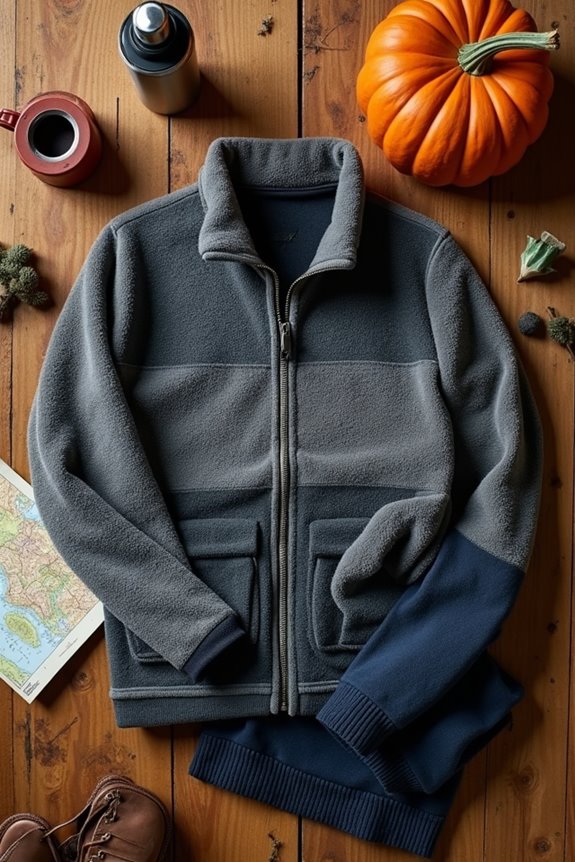
When it comes to staying warm during Alaska’s unpredictable September, fleeces and sweaters serve as reliable layering options. Pack three different weights so you can adjust as temperatures shift throughout the day.
Bring the following:
- Lightweight fleece for mild afternoons when the sun’s out
- Mid-weight sweater for cool mornings and evenings on deck
- Thicker fleece for genuinely cold days in higher elevations
- Moisture-wicking base layers underneath everything
- Waterproof outer layer to protect your mid-layers from rain
Layering offers practical flexibility. Wear the same fleece multiple days, which saves packing space while keeping you warm as daylight gets shorter. These breathable mid-layers function well during shore excursions, moving with you as you hike and explore. Having multiple options matters when Alaska’s weather changes unexpectedly.
Pack a Daypack With Extra Layers for Deck Time and Shore Trips
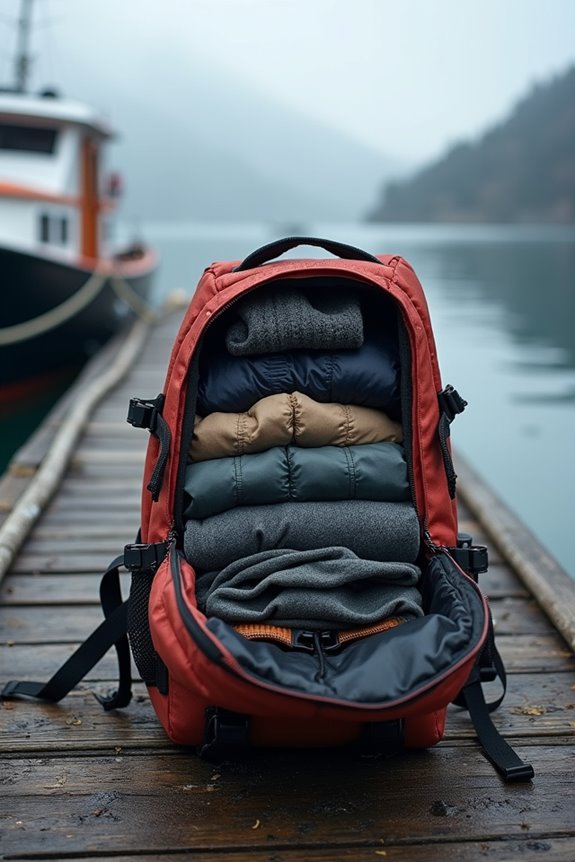
How do you stay comfortable when Alaska’s weather shifts within hours? I pack a compact daypack that becomes my best friend during deck time and shore trips. Inside, I keep extra layers: a lightweight fleece, waterproof outer layer, and thermal base layer so I’m ready when temperatures drop suddenly. I’ve learned to stow a dry bag for my phone and camera because rain shows up without warning. I also toss in water, snacks, and sunscreen because you’ll want these while watching wildlife or exploring ports. One backup pair of shoes and dry socks take minimal space but make real differences between feeling miserable and comfortable. A rain hat or compact umbrella rounds things out. This daypack approach means I’m never caught off-guard by Alaska’s moody September weather.
Sun Protection in September: Sunglasses, Hat, and High-SPF Sunscreen
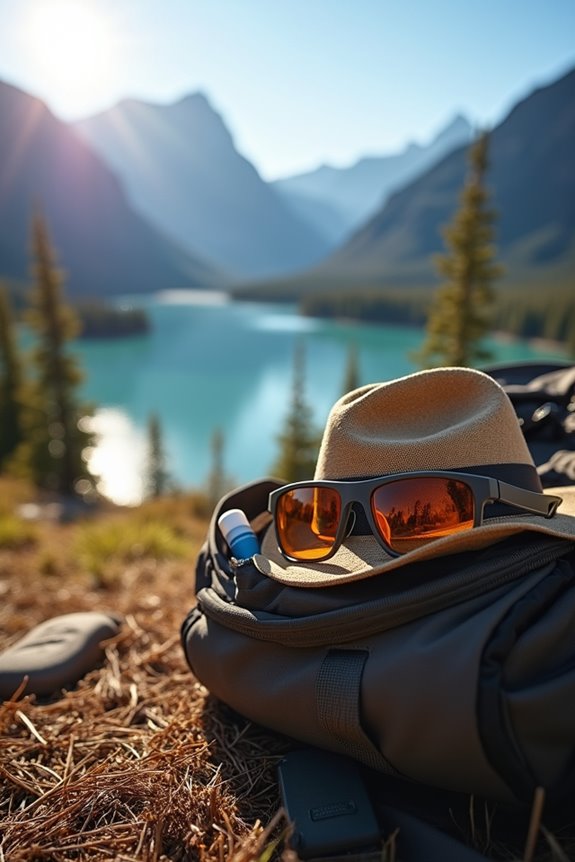
Why does September sun in Alaska feel stronger than you’d expect for fall? The angle of the sun reflects off water and ice differently, intensifying UV rays. I’ve learned that protecting my skin isn’t optional; it’s essential.
Here’s what I always pack:
- Sunglasses with polarized lenses to cut water glare
- A brimmed hat for face and scalp protection
- High-SPF broad-spectrum sunscreen (SPF 30 minimum)
- Lightweight, breathable layers that don’t trap heat
- A small daypack to keep sun protection gear accessible
I reapply sunscreen every two hours during excursions, especially after being on deck or near water. Combining these items with breathable clothing keeps me comfortable while staying protected. You’ll feel noticeably better when you’re not burned at dinner.
Travel Documents, Medications, and Phone Chargers First
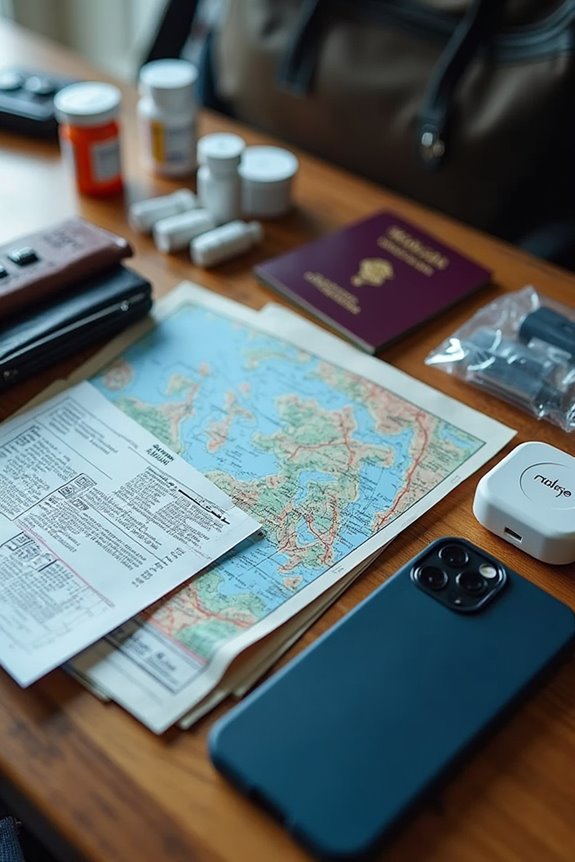
I always pack my passport and travel documents first because I’ve learned from experience that forgetting them can derail a vacation entirely. Your prescription medications belong in your carry-on bag too, so you’ll have them if your luggage gets delayed. Phone chargers and a portable battery should go in as well, since you’ll want to capture those Alaskan views and stay connected. Getting these essentials organized at the start makes everything else fall into place and reduces stress when you’re heading to the airport.
Passport and Travel Documentation
The foundation of any smooth trip starts with getting your documents in order before you pack anything else. Keeping essentials organized prevents last-minute stress.
What to prioritize:
- Passport: Double-check that it’s valid for your entire trip, especially if you’re stopping in Canada
- Travel documents: Keep cruise confirmations, excursion tickets, and insurance papers together
- Itinerary copy: Have both digital and printed versions available
- IDs and backup documents: Store digital copies separately from originals
- Security wallet: Use an RFID-blocking option for keys and cards
Keep all travel documents in your carry-on bag where you can access them easily. This approach prevents scrambling through checked luggage at customs or when boarding. Getting organized beforehand makes the entire journey feel manageable.
Prescription Medications in Carry-On
Two things will help you avoid serious travel complications: keeping your medications accessible and bringing extras in case of delays. Pack all prescription medications in your carry-on bag since checked luggage sometimes gets delayed or lost, a risk not worth taking when traveling to Alaska.
Bring enough medication for your entire trip plus several extra days to account for any schedule changes. Keep everything in original labeled containers for security checks, and write down the generic names and dosages on a small card you carry separately.
Pack a copy of your doctor’s instructions and include their contact number. Add over-the-counter remedies like pain relief or seasickness medication to your medical kit for travel health needs. This approach to medication safety provides you with confidence while exploring Alaska.
Essential Tech and Charging Cables
How many times have you watched your phone battery die right when you needed it most? Alaska’s September shore days require serious tech preparation. You’ll want reliable electronics accessories to capture glacier photos and stay connected with your travel group.
What to pack:
- Portable power bank with high capacity for extended excursions
- Wall charger for cabin charging between adventures
- Tech charging cables for phones and cameras
- USB adapter for international outlets
- Device protection such as waterproof pouches
I bring multiple cables because one always seems to disappear. A portable power bank keeps my phone alive during long hikes, while the wall charger ensures everything’s ready by morning. Having backup charging solutions reduces stress and makes the entire trip more enjoyable with fellow travelers.
Essential Toiletries in Travel Sizes: Sunscreen, Moisturizer, and Lip Balm
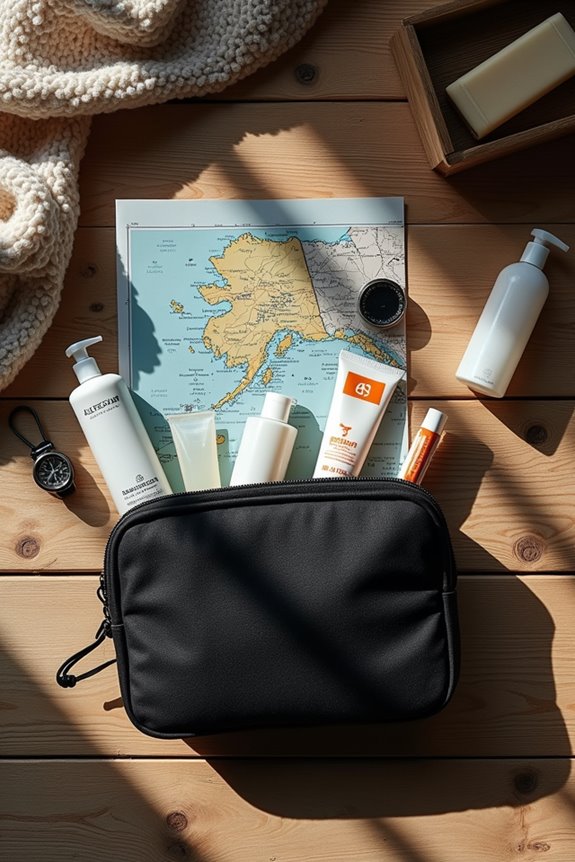
When you’re cruising Alaska in September, your skin faces real challenges: bright sun reflecting off the water, dry air inside the ship, and cool coastal winds all working against you.
I pack travel-sized toiletries because they’re lightweight and I can refill them as needed. Here’s what I bring:
| Item | Why It Matters |
|---|---|
| Broad-spectrum sunscreen (high SPF) | Protects during deck activities |
| Lightweight moisturizer | Combats ship’s dry air |
| SPF lip balm | Guards lips from wind and sun |
| Small containers | Avoids bulk in luggage |
| Refill supplies | Maintains protection throughout |
These essentials keep my skin comfortable without weighing down my suitcase. The moisturizer helps significantly after spending hours outside, and the lip balm prevents the chapping that Alaska’s coastal winds bring. You’ll appreciate having these items when you’re exploring the deck or hiking ashore.
Binoculars, Camera Gear, and a Waterproof Bag for Wildlife and Water Activities
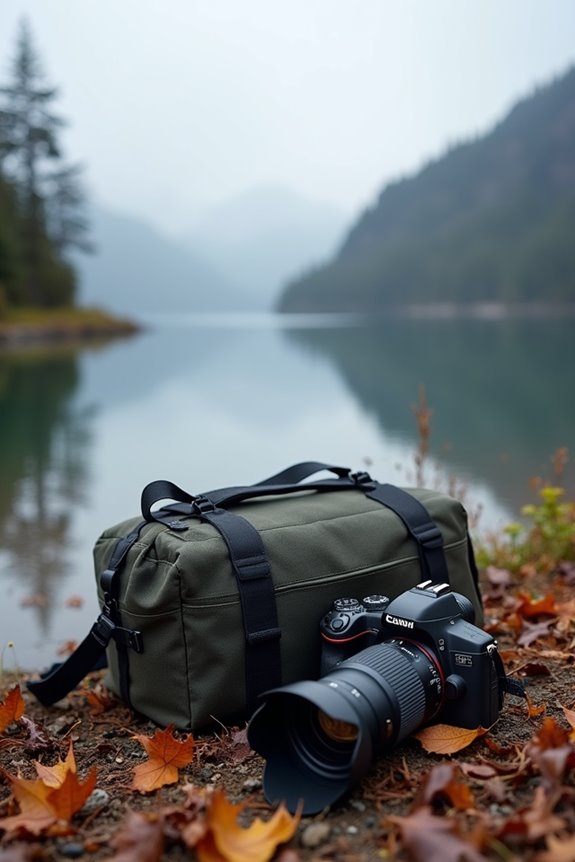
Wildlife viewing in Alaska requires gear that functions reliably in harsh conditions. The right equipment directly impacts your ability to spot bears and eagles effectively.
Essential items to bring:
- 10x power magnification binoculars with a 25 mm objective for clear wildlife viewing
- A waterproof bag or drybag to shield all gear from moisture and spray
- Extra camera batteries and memory cards to avoid missing important moments
- A waterproof phone pouch for protecting camera gear near water
- Binoculars stored in your daypack for quick access on deck and during shore excursions
Quality camera gear and proper protection keep your equipment functional while you observe Alaska’s wildlife. Having these essentials readily available matters when a moose appears without warning.