

For an Alaskan July cruise, start with a moisture-wicking base layer. Merino wool keeps you dry better than cotton.
Layer a fleece or lightweight down jacket over it, then add a waterproof jacket for deck showers.
Wool socks paired with waterproof boots protect your feet on wet terrain.
Bring polarized sunglasses and a wide-brimmed hat for those long daylight hours.
Pack a swimsuit, quick-dry towel, sturdy excursion backpack, and formal wear with a cozy cardigan.
These nine essentials handle everything from glacier spotting to evening dinners, though additional items may enhance your experience.
Base Layer: Moisture-Wicking Foundation for Core Comfort
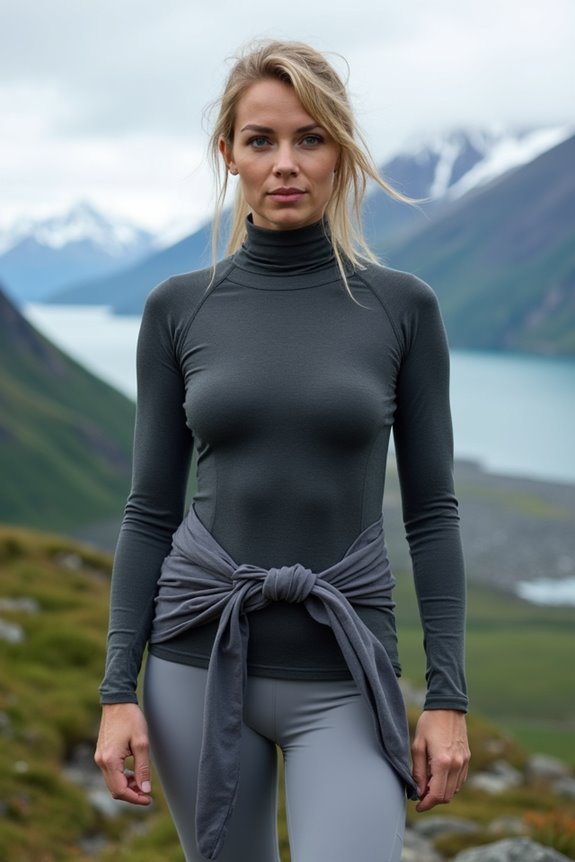
When you’re hiking through Alaskan wilderness or bouncing across the water on a zodiac, you’ll sweat. That’s where a good base layer becomes essential. Cotton holds moisture like a sponge, which leaves you chilled when the wind picks up. Instead, merino wool or synthetic fabrics like polyester blends actually move sweat away from your skin. These moisture-wicking materials keep you dry during Alaska’s unpredictable July temperatures. Pack multiple lightweight long- and short-sleeve tops so you can layer easily as conditions change. A snug-fitting base layer traps warmth without restricting movement during hikes or water excursions. Your foundation matters. Get this right, and everything else follows.
Mid-Layer Insulation: Fleece or Lightweight Down for Warmth
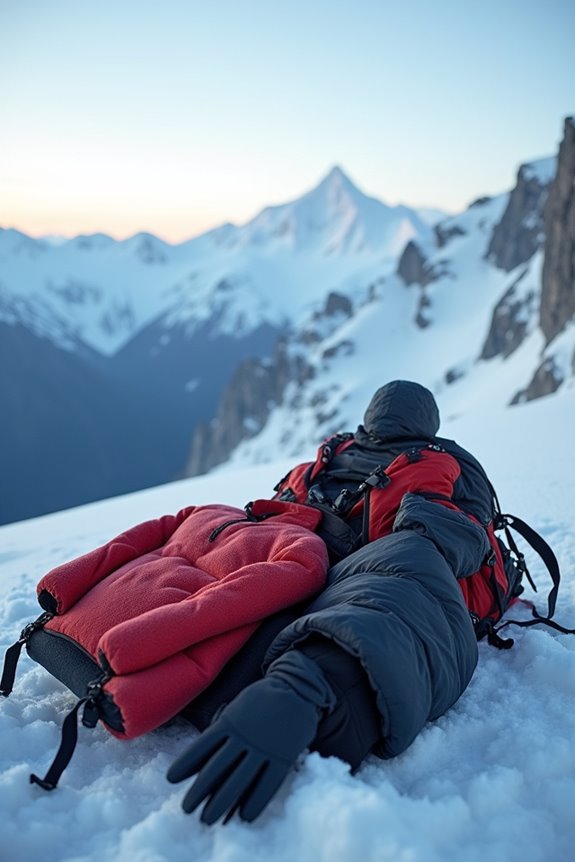
you’ll experience temperature swings that would make your head spin. That’s where a solid mid-layer comes in, and I’ve found it works well for staying comfortable.
I love having both a fleece and a lightweight-down piece on hand. Fleece works great for active days because it wicks moisture while keeping you warm without feeling bulky. Lightweight-down compresses into nothing, which I appreciate when packing, and delivers serious warmth on chilly sea days when the sun disappears.
The beauty is versatility. Wear your fleece solo on milder afternoons, then layer it under your waterproof shell when conditions get sketchy. Same goes for that down jacket. You’re not locked into one option, which means you’ll actually stay comfortable instead of constantly adjusting. That’s the approach that works.
Waterproof Jacket: Your Best Friend in Rain and Wind
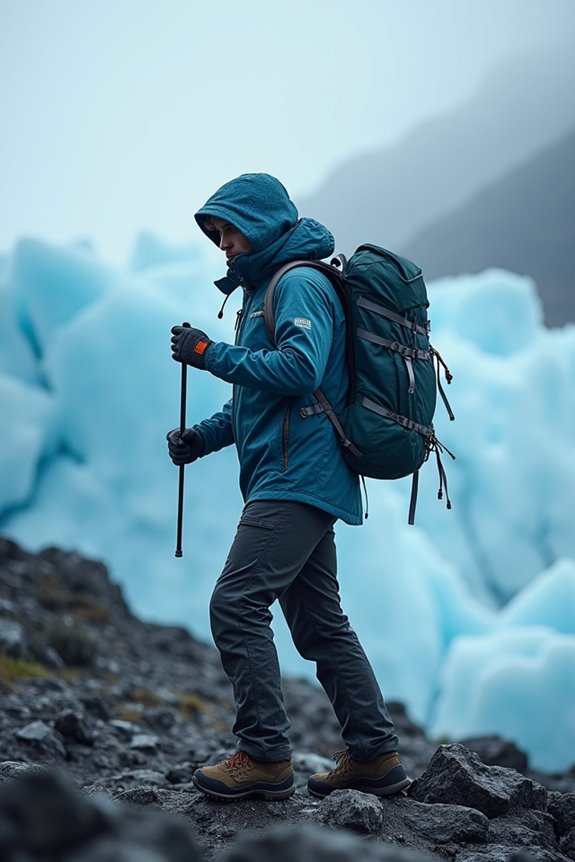
When you’re out on deck watching for whales or hiking through coastal trails, you’ll quickly realize that Alaska’s July weather doesn’t play around. Rain and wind can hit you fast, so a good waterproof jacket becomes essential gear. A quality jacket lets you layer it over your fleece when mornings feel crisp, then remove it when the day warms up, which matters since temperatures can swing significantly throughout the day. The sealed seams and adjustable cuffs keep the cold spray and drizzle out while you’re active, and the packable design means you won’t regret stuffing it in your bag even on the sunnier days.
Protection From Frequent Showers
Why does Alaska in July seem to have rain on its schedule more than sunshine? Frequent showers are simply part of the experience, and your waterproof jacket becomes essential gear.
A quality waterproof jacket with sealed seams keeps you dry during unexpected downpours and ocean spray. Wind resistance matters too; gusty deck conditions demand a shell that prevents moisture from penetrating.
| Feature | Why It Matters |
|---|---|
| Waterproof zippers | Seal out rain completely |
| Adjustable cuffs | Prevent water from entering at wrists |
| Breathable material | Prevent sweat buildup during layering |
Layering underneath is important. Pair your jacket with moisture-wicking base layers so you stay comfortable whether hiking onshore or standing on deck. A compact, packable design lets you stow it easily in your daypack for sudden showers.
Wind Resistance While Sailing
Your waterproof jacket serves a dual purpose on the water: it protects you from rain, but wind is what truly determines if you’ve selected the right one. A hooded, wind-resistant shell with adjustable cuffs keeps you comfortable without overheating. Look for breathable, water-resistant fabric that fits over multiple layers, which is essential for sailing in Alaska.
Storm flaps and tight seals are important when spray hits your torso and arms. Windbreakers designed specifically for wind resistance reduce the brutal wind chill on deck. Layering underneath allows you to adapt quickly to sudden gusts. Pack one compact, packable waterproof jacket in your daypack as well. You’ll appreciate quick protection during choppy conditions.
Layering For Temperature Control
How do you stay comfortable when Alaska’s July weather can’t decide between sunshine and rain within the same hour? Layering is the approach that works. I start with moisture-wicking base layers that pull sweat away from my skin, keeping me dry as temperatures shift. Then I add a cozy sweater for warmth without the bulk. Finally, my waterproof jacket serves a critical function: it shields me from sudden rain and wind while letting me shed layers when the sun breaks through. This “layer up, then shed” approach means I’m never too hot or too cold. Between sheltered cabin spaces and open decks, I constantly adjust. A sturdy waterproof jacket with a hood isn’t just practical; it’s what lets you actually enjoy Alaska’s unpredictable beauty instead of just surviving it.
Wool Socks: Warmth and Moisture Management
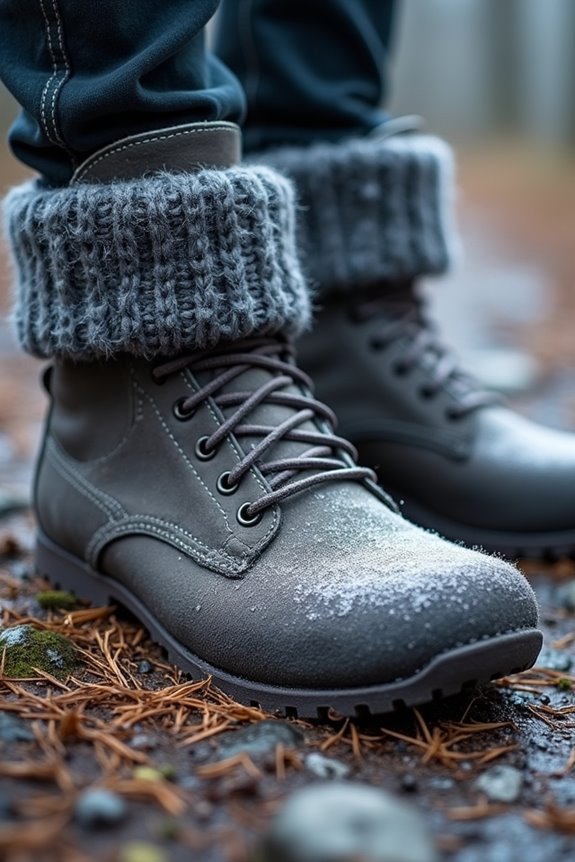
When you’re spending long days hiking glaciers and exploring Alaska’s coastline in July, here’s what I’ve learned: wool socks aren’t just a nice-to-have, they’re actually essential.
I discovered that merino wool keeps my feet dry and insulated, even when I’m sweating during physical activity. Unlike cotton, wool manages moisture while maintaining insulation. This combination proves valuable for unpredictable weather.
| Condition | Why Wool Works | My Experience |
|---|---|---|
| Cool mornings | Provides warmth without bulk | Stayed comfortable at 45°F |
| Afternoon heat | Breathes and regulates temperature | Feet didn’t overheat |
| Rainy deck time | Insulates when damp | Stayed warm in showers |
| Long hiking days | Reduces odor naturally | Rotated multiple pairs |
I pack several pairs to rotate, keeping my feet fresh during long shore days. Pairing wool socks with waterproof boots creates solid protection against Alaska’s variable conditions. You’ll appreciate how they perform in harsh environments.
Waterproof Hiking Boots: Grip and Stability on Wet Terrain
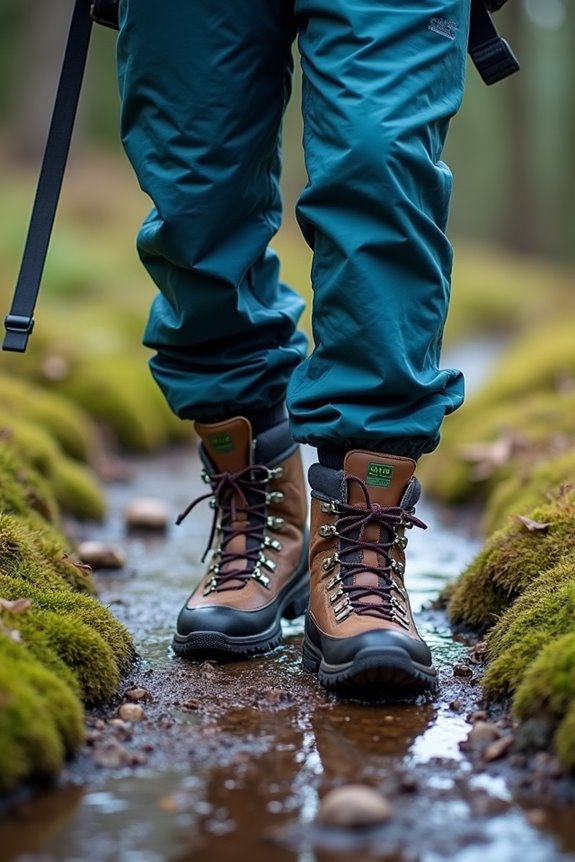
Good wool socks keep your feet comfortable, but they won’t help much if your boots can’t grip Alaska’s slippery terrain. Waterproof boots with sturdy lug outsoles are essential equipment for hiking there. They handle mud, wet rocks, and grassy slopes without sliding around like you’re on ice skates.
Look for boots with water-resistant uppers and breathable membranes. This combination keeps your feet dry while letting sweat escape, which prevents blisters during long day hikes. Reinforced toe protection matters too; rocky shorelines and glacier approaches will test your gear.
Break in your boots before your trip. Back-to-back excursion days demand comfort, and blisters ruin everything. Your future self will appreciate the effort.
Insulated Hat, Gloves, and Neck Gaiter: Extremity Protection
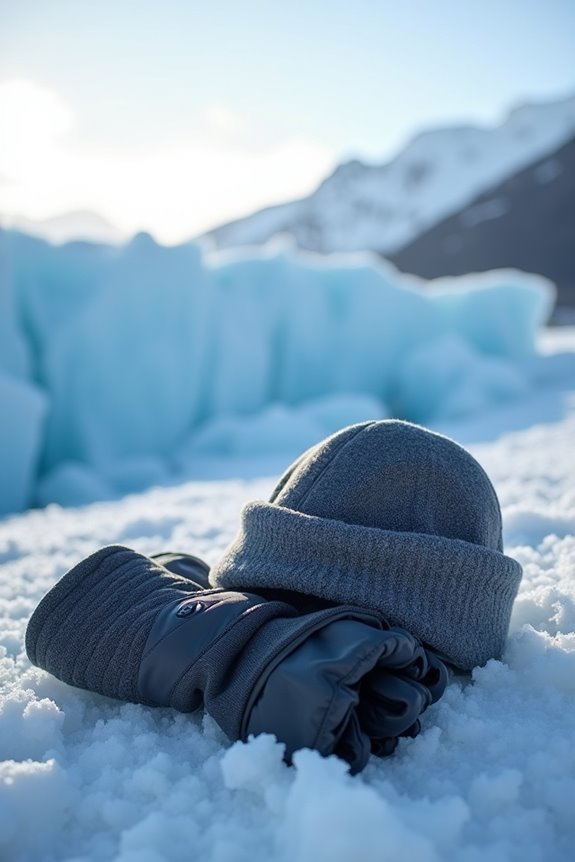
Your head and hands are the first places you’ll feel Alaska’s chill, and that’s where I’d focus your gear budget. I’ve learned this the hard way on July coastal crossings.
What to pack:
- Insulated hat – A wool or synthetic beanie keeps your head warm without bulk
- Insulated gloves – Wind and spray make exposed hands miserable fast
- Neck gaiter – This versatile piece works as a scarf, face shield, or extra layer
- Moisture-wicking base layers – These work together with your extremities protection to prevent heat loss from sweat
Pair lightweight, compact options so you stay mobile while exploring. Your extremities protection works best when everything coordinates. A quality hat and gloves transform a chilly morning into something actually enjoyable. You’ll feel like you belong out there, genuinely comfortable instead of just surviving.
Sun Gear: Sunglasses and Lightweight Hat for Deck Hours
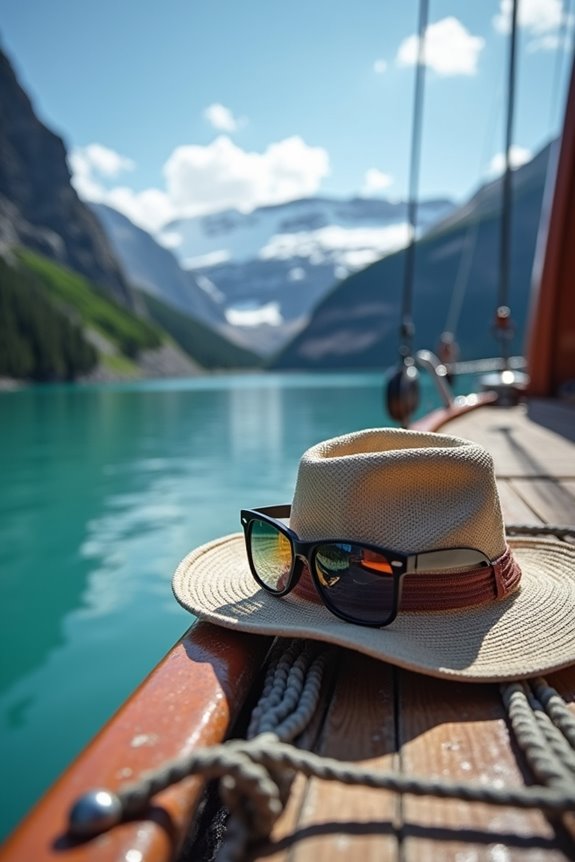
You’ll want polarized sunglasses on deck because they cut through the water’s glare and help you spot wildlife instead of squinting. A wide-brimmed hat provides sun protection by shading your face, ears, and neck during hours outside in July’s intense midday brightness. Both pieces pack down small and work perfectly with your layered outfits, offering serious UV defense without adding weight.
Polarized Lenses For Glare
Most people don’t realize how much the sun bounces off water and ice until they’re squinting on an Alaskan ship deck for hours. I learned this the hard way during my first cruise, and polarized sunglasses completely changed my experience.
Here’s why polarized lenses work for glare reduction:
- They filter reflected light from water and ice, making wildlife spotting easier
- UV protection keeps your eyes safe during long deck hours
- Wraparound frames stay secure in Alaska’s windy conditions
- You’ll actually see whales and seals instead of just bright reflections
Regular sunglasses left me frustrated and tired. Polarized lenses let me enjoy the view without constant squinting. Look for a durable pair you can toss in a dry bag between rain showers. Your eyes and your wildlife photos will benefit from the difference.
Wide-Brimmed Hat Protection
While polarized sunglasses handle the glare bouncing off water and ice, they’re only half the battle for protecting your face during those endless Alaskan daylight hours. You’ll want a wide-brimmed hat as your trusty deck wear companion. A quality wide-brimmed hat shades your face, ears, and neck from July’s intense UV exposure. These areas are often missed by sunscreen alone.
Look for a packable hat made from lightweight, breathable material so you stay comfortable during variable temperatures without overheating. A secure fit matters too; choose one with an adjustable strap or tie to withstand sea breezes. Durability counts when you’re dealing with occasional rain and crew cleaning routines.
Pair your hat with those polarized sunglasses, and you have solid sun protection covered. You’ll see wildlife better and feel comfortable spending hours on deck.
Deck Time Comfort Essentials
Spending hours on an Alaskan deck in July means dealing with relentless sun that bounces off water and snow. Sunglasses and a lightweight hat should be treated as non-negotiable items for comfort and protection.
What makes deck comfort possible:
- Polarized sunglasses clarify distant wildlife views and cut glare from the horizon and water
- UV protection in your lenses reduces eye strain during extended outdoor time
- A lightweight, wide-brimmed sun hat stays comfortable even when wind picks up
- Moisture-wicking fabrics keep you cool rather than trapping heat against your skin
Pack both items in a small daypack for quick access during excursions. Squinting for hours diminishes the experience and causes unnecessary fatigue. With proper sun gear in place, you can focus on the glacier views instead of managing physical discomfort.
Swimsuit: For Onboard Pools, Hot Tubs, and Saunas
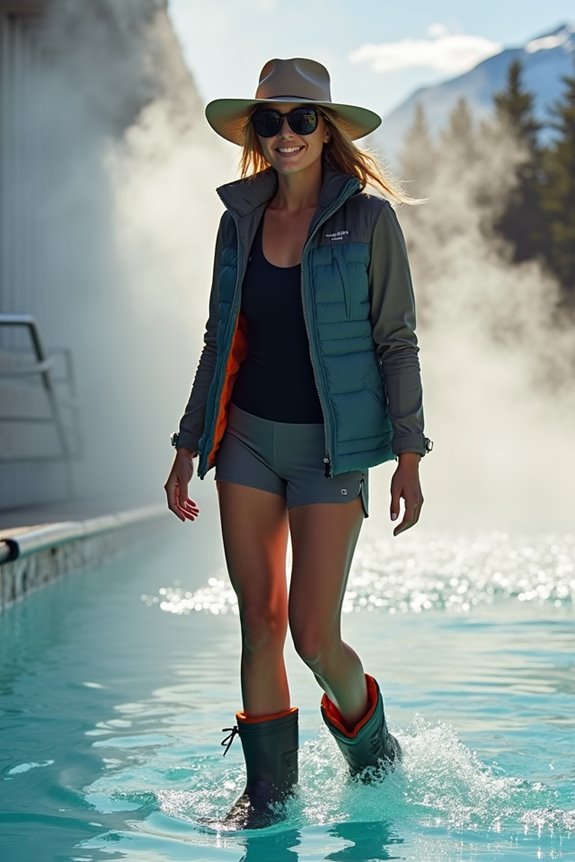
Because you’ll likely spend time in the water during your Alaska cruise, packing a swimsuit isn’t optional; it’s practical. Bring a quick-drying, chlorine-resistant one since you’ll use it repeatedly in the onboard pools, hot tubs, and saunas. Even in July, shipboard air feels cool, so pair your swimsuit with a lightweight cover-up or robe for moving between water and dry spaces. Some shore excursions include thermal pools or spa facilities, which makes swimwear necessary if you want full participation. A quality swimsuit withstands repeated use without deteriorating. Pack a compact travel towel as well. It helps you dry off without consuming precious cabin space. These items prove useful when you’re relaxing poolside between glacier tours.
Excursion Backpack: Organize Your Day-Trip Essentials
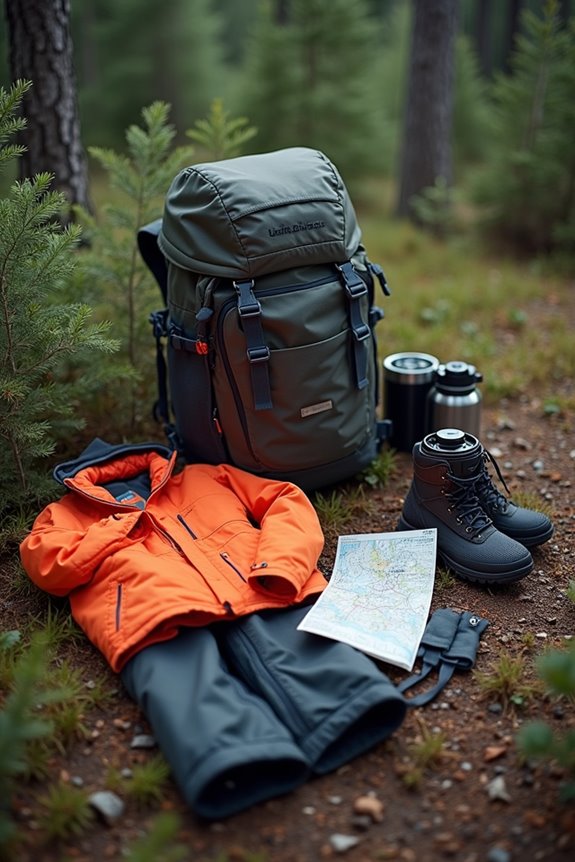
What’s the difference between a day trip that feels manageable and one where you’re scrambling to fit everything together? Your backpack choice matters more than you’d think.
A sturdy backpack with multiple compartments keeps day-trip essentials organized and accessible. You’ll want something waterproof or with a rain cover since Alaska’s showers come without warning. Here’s what to pack:
- Lightweight, reusable water bottle
- Dry bag for electronics and valuables
- Layers, snacks, and a map
- Binoculars and small first-aid kit
Choose a pack with padded straps and breathable back support. Your shoulders will appreciate it during long excursions. Size matters too; you need enough space without looking like you’re moving house. A comfortable backpack makes exploring feel less like work and more like belonging to the adventure ahead.
Formal Evening Wear: Layers for Dress-Code Dinners
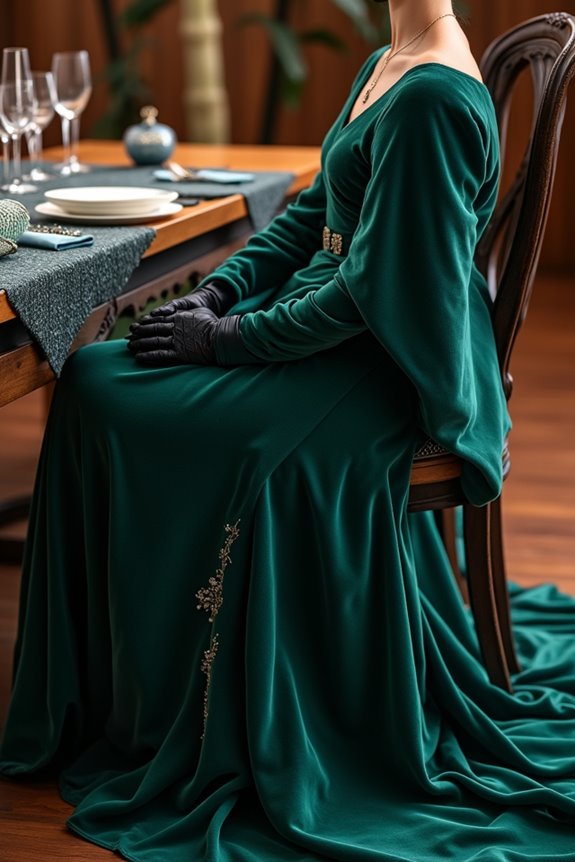
When dressing for formal dinners on your Alaska cruise, layering under your dress or suit jacket proves practical because the ship’s dining room feels warm while the deck is cold. Pair a wrinkle-resistant dress with a long-sleeve top underneath, then add a dressy cardigan or bolero that you can remove and put back on as temperatures change throughout the evening. Choose pieces that coordinate well together so your formal appearance remains polished whether you’re seated at dinner or viewing the midnight sun from the upper decks.
Layering Under Formal Attire
How do you stay warm at a fancy dinner when Alaska’s July evenings can turn chilly? Smart layering under your formal outfit works well for temperature control.
- Begin with a moisture-wicking base layer that keeps you dry beneath your dress clothes
- Add a lightweight cardigan or silk sweater under your dress shirt for warmth without bulk
- Choose tailoring-friendly fabrics like fine merino or cashmere blends that fit smoothly under jackets
- Keep a compact, weather-resistant wrap nearby for unexpected showers
These pieces let you adjust your temperature as the evening progresses. Your formal appearance stays put together while you feel comfortable, which matters when you’re enjoying dinner with fellow travelers who value practical elegance.
Dress Code Temperature Flexibility
You’ve got your base layers sorted, but here’s where the real challenge kicks in: formal dinners on an Alaskan cruise demand that you look put-together while staying comfortable in wildly unpredictable temperatures.
I recommend packing a lightweight cashmere cardigan or wool blend jacket that transitions seamlessly from your dress or suit. Dress code flexibility matters because you’ll move between heated dining rooms and chilly outdoor decks. Choose fabrics like knit blends that drape beautifully and resist wrinkles, so you maintain a polished appearance no matter where you’re seated.
A tailored wrap or lightweight jacket provides essential warmth during windy evenings without compromising formality. The versatility of layering means you’re never stuck feeling too hot or cold, which makes the whole experience more enjoyable. You’ll blend in perfectly while staying genuinely comfortable.